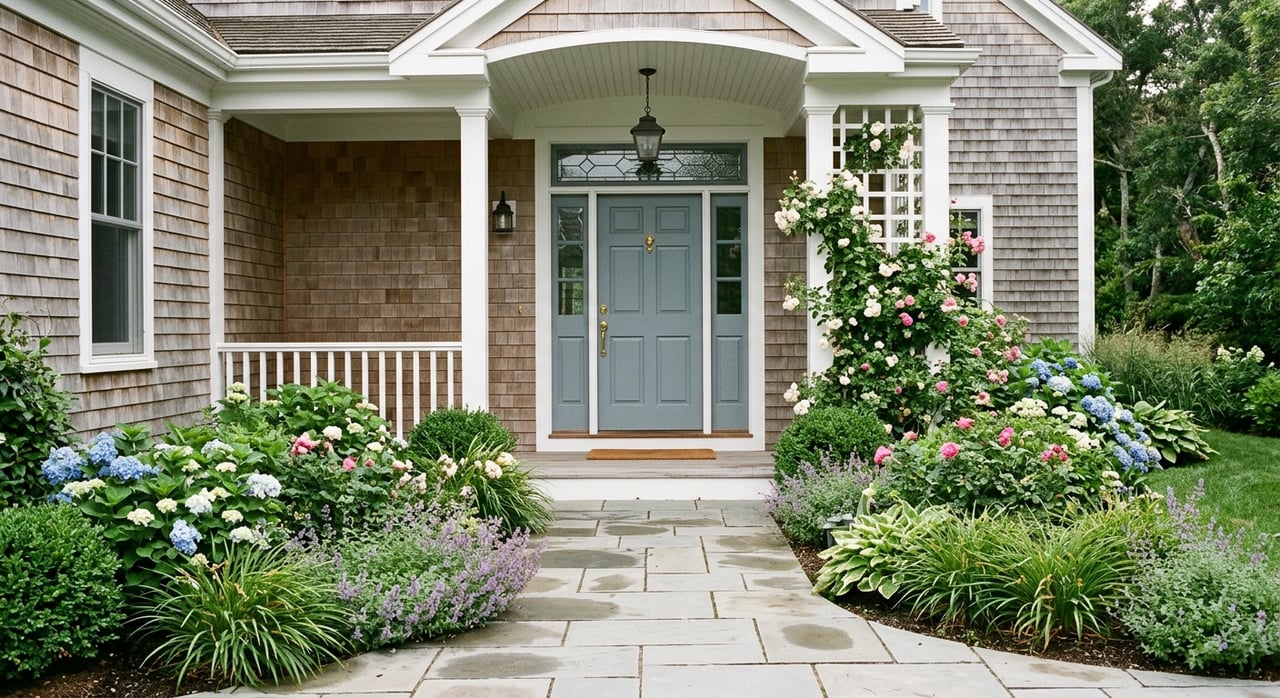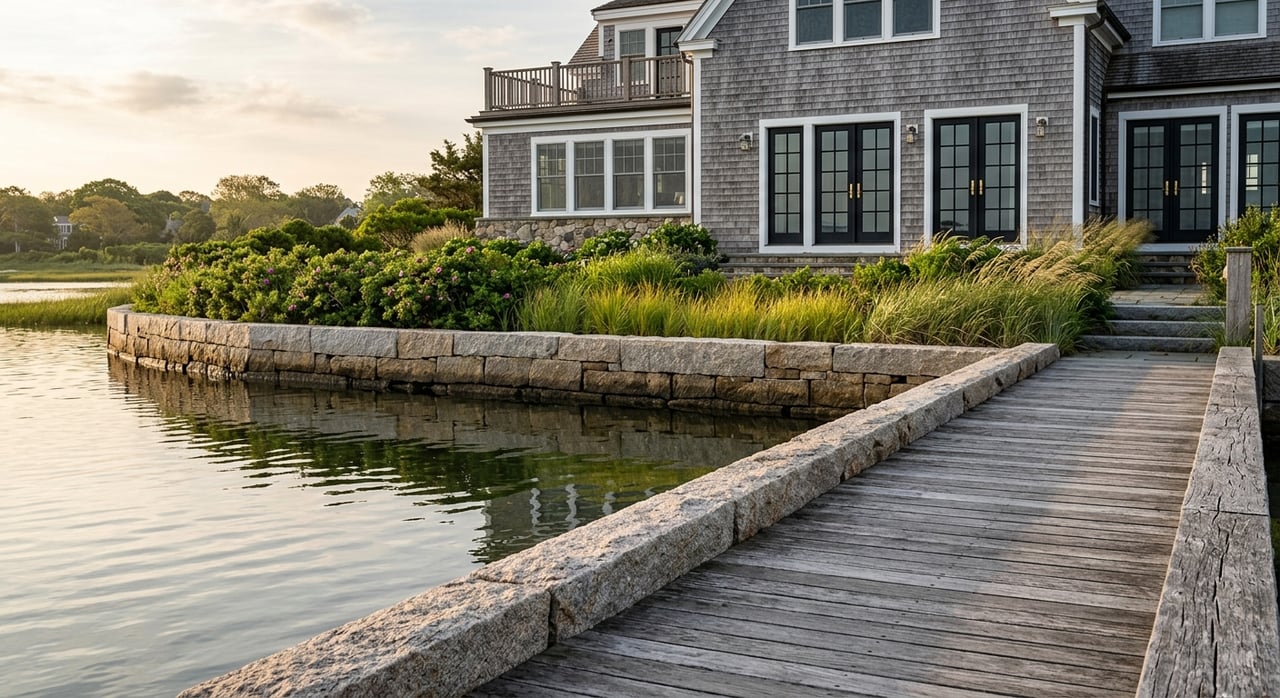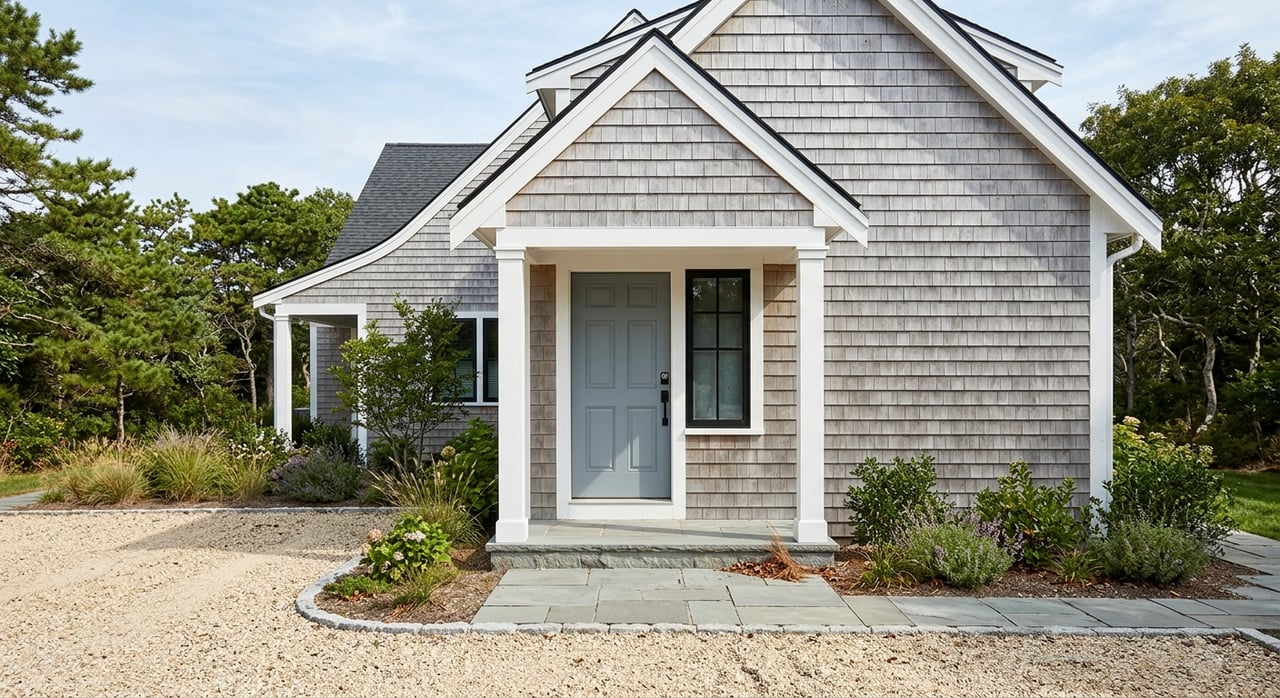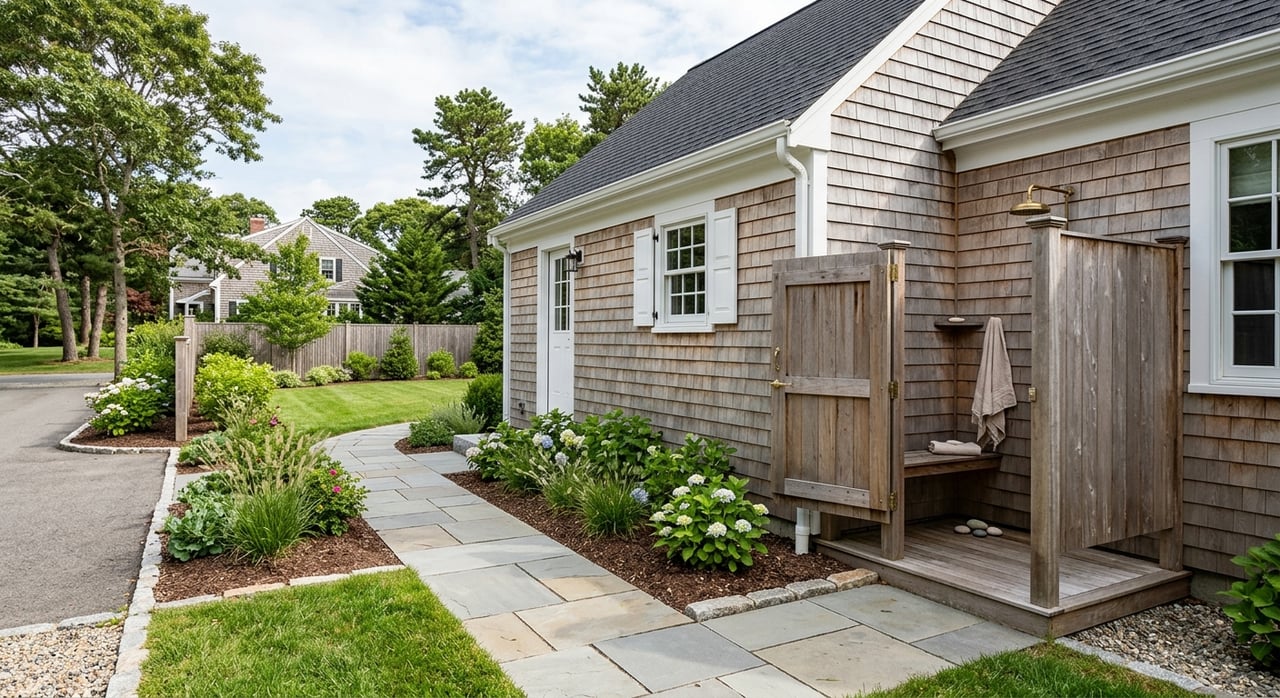
Picture this: Friday traffic fades behind you, the kettle is on, and your toes are in the Centerville sand before sunset. If a Cape Cod second home in 02632 has been on your mind, you are not alone. The area draws many out-of-area buyers who want easy beach days, a simple drive from Boston, and a calm coastal rhythm. In this guide, you will learn how to plan your purchase with clear financing steps, what to know about septic and flood rules, and how short-term rentals work in Barnstable. Let’s dive in.
Why Centerville (02632) works for second homes
Centerville is part of the Town of Barnstable in the Mid-to-Lower Cape area. You get convenient access to beaches, village amenities, and main routes that make weekend trips realistic. As of early 2026, consumer market snapshots often place typical Barnstable home values in the high six-hundreds, with Centerville’s monthly medians commonly reported in the mid six-hundreds. Prices move with season and micro-location, so verify recent sales before you write an offer.
Barnstable has a meaningful seasonal-home presence. The town’s Housing Production Plan notes that roughly 23% of mid-Cape homes are second homes, and there are several hundred short-term rentals across villages, including a notable share in Centerville (Final Draft 2025). That seasonal rhythm shapes pricing, occupancy, and management decisions.
Decide your use plan first
Your intended use determines the loan type, the cash you need to close, and ongoing compliance.
Second home or investment property
Lenders apply different rules depending on how you will use the home:
- Second home: You will occupy it for part of the year. Financing may allow lower down payments, and the underwriting assumes personal use. Rental income from the property generally cannot be used to qualify. See Fannie Mae’s occupancy and rental-income rules in the Selling Guide for details (Fannie Mae B3‑3.1‑08).
- Investment property: You plan to rent it like a business. Expect larger down payments, higher reserve requirements, and different underwriting.
Typical cash and reserves
While programs vary by lender and borrower profile, a common pattern is:
- Down payment: Second-home loans often start near 10% down in eligible cases. Investment-property loans typically require more equity.
- Reserves: Fannie Mae’s guidance often requires at least two months of PITIA reserves for a second home and six months for an investment property. If you hold multiple financed properties, expect additional reserves (Fannie Mae reserve guidance).
Early disclosure is your friend. Tell your lender exactly how you plan to use the home so they can confirm the right loan path.
If you plan to rent: taxes and registration
Short-term rentals in Barnstable require two layers of compliance.
- State and local excise taxes: Typical STR stays are subject to a combined excise of about 14.45%: 5.7% state rooms excise, 6% Town of Barnstable local rooms excise, and 2.75% Cape Cod & Islands Water Protection Fund excise. Owners are responsible for correct collection and remittance, even if a platform collects some taxes (Town STR excise overview).
- Town rental registration: Any property offered for rent must register annually with the Barnstable Health Division. The Town runs a 24/7 hotline and enforces safety and insurance requirements for rentals. Start with the Planning and Development page and complete the Health Division rental registration application before listing your home (Town STR information, Health Division registration).
Massachusetts also taxes rental income. Nonresident owners who receive rent have state filing obligations, and most income is taxed at a flat rate around 5% as of 2026. Speak with a tax advisor about nonresident filing and deductible expenses (Massachusetts personal income tax guide).
Sample STR math (for illustration only)
Assume your Centerville cottage earns $40,000 in gross seasonal rent.
- Less state, local and regional STR excises at 14.45%: $5,780
- Less full-service management at 25%: $10,000
- Less cleaning and linens: $2,000
- Less utilities and internet: $3,000
Estimated net before property taxes, insurance, mortgage payment, maintenance, and capital reserves: $19,220. Always refine with your actual quotes and vendor contracts.
Septic, sewer planning, and flood zones
Environmental rules matter on Cape Cod. Build them into your offer and contingency plan.
Title 5 and Nitrogen Sensitive Areas (NSAs)
Massachusetts updated Title 5 septic rules in 2023 with NSA provisions. Sellers must disclose if a property lies in a designated NSA, and some homes may face upgrade requirements to nitrogen‑reducing systems as local watershed plans advance. On Cape Cod, this is a key ownership consideration. Confirm system type, recent inspections, and whether the address is in an NSA before you close (Title 5 regulations, Title 5 real estate guidance).
Barnstable is moving forward with wastewater projects funded in part by the regional Water Protection Fund. Future sewer expansions and local nitrogen-reduction steps can include parcel-level assessments and connection costs. Review town FAQs to understand likely timelines and financing tools (Barnstable Water Resources FAQs, Cape Cod & Islands Water Protection Fund).
Flood zones and insurance
If a property sits in a FEMA Special Flood Hazard Area, most lenders will require flood insurance. Premiums and rating methods have changed under recent updates, and private policies may be options. Order a flood determination early, price coverage, and plan for waiting periods before closing (Flood insurance overview and lender requirement).
Inspection and due-diligence checklist
Use a coastal-savvy inspector and add targeted contingencies.
- Title 5 inspection and records: Confirm system type, age, service history, and passing status. If a system fails, sellers typically must repair or escrow. In NSAs, clarify disclosures and upgrade timing before closing (Title 5 real estate guidance).
- Flood and elevation: Order a lender flood determination. If maps appear inaccurate, discuss elevation certificates or map amendment options with your team (Flood requirement overview).
- Coastal wear and tear: Inspect decks, railings, fasteners, HVAC condensers, and window sills for salt-air corrosion. Ask about foundation and sill-plate rot, roof life, insulation, and winterization setup.
- Year-round comfort: Many older Cape homes were built for seasonal use. Check heating system health, insulation levels, hot-water capacity, and window condition if you plan shoulder-season stays or rentals.
Two common buyer paths: what changes
A) Family second home, little to no renting
- Financing: Often a second-home loan. Down payment could start near 10% depending on eligibility, with at least two months of reserves typical under Fannie Mae guidance (reserve rules).
- Operations: Focus on winterization, storm prep, and service vendors. STR registration and excise filings usually do not apply if you do not rent.
- Due diligence: Title 5 status, NSA disclosure, and flood determination remain essential.
B) Seasonal STR with personal use
- Financing: If rental income is needed to qualify, the loan likely classifies as an investment property. Expect larger down payment and higher reserves. Rental income usually cannot be used for second-home qualification (Fannie Mae B3‑3.1‑08).
- Compliance: Register with the Massachusetts Department of Revenue, complete Barnstable’s annual rental registration, and set up STR excise collection and remittance. Plan for the combined 14.45% excise on most stays in Barnstable (Town STR excise overview).
- Management: Interview local managers. Full-service STR fees commonly range from 20% to 35% of gross in peak season. Confirm response times, guest-communication standards, and local contact requirements for town registration (Town STR information).
Step-by-step timeline for out-of-area buyers
- Step 1: Clarify your use plan: personal use only, occasional STR, or full-time rental. This drives loan type and compliance (Fannie Mae B3‑3.1‑08).
- Step 2: Get pre-approval and confirm reserves and classification with your lender. Ask whether rental income can be used and what documentation is needed (reserve rules).
- Step 3: Order a Title 5 inspection or obtain recent passing records. Verify NSA status and require seller disclosures before closing (Title 5 regulations).
- Step 4: Order a flood determination and schedule a coastal-focused home inspection. Get estimates for flood insurance and winterization (Flood requirement overview).
- Step 5: If renting, register with MA DOR, complete Barnstable rental registration, and set your tax collection and remittance process. Confirm liability coverage meets town standards (Town STR information, Health Division registration).
- Step 6: Line up local operations: property manager, cleaning, trades, snow removal, and a seasonal open-up/close-down plan.
Key resources
- Barnstable Short-Term Rental information and FAQs: Planning & Development
- Barnstable Finance: STR excise overview and process: Finance Division
- Barnstable Health Division: Rental Registration application
- MassDEP Title 5 regulations (NSAs): 310 CMR 15.000
- Title 5 and real estate transactions: Mass.gov primer
- Barnstable Water Resources: Wastewater FAQs
- Cape Cod & Islands Water Protection Fund: Program overview
- Fannie Mae Selling Guide: Rental income rules B3‑3.1‑08
- Fannie Mae: Minimum reserve requirements B3‑4.1‑01
- Flood insurance and lender requirements: Overview
- Massachusetts personal income tax guide: Mass.gov
Ready to make your Cape time effortless and smart from the start? Connect with a local guide who knows the neighborhoods, the rules, and the nuances that matter. Let’s talk about your goals, your numbers, and the right Centerville fit. Let’s connect — start your Cape search with Cindy Harrington.
FAQs
What should a second-home buyer in Centerville budget for upfront and reserves?
- For many second-home loans, lenders may allow down payments starting near 10% in eligible cases and often require at least two months of PITIA reserves. Investment loans usually need larger down payments and about six months of reserves. Confirm exact requirements with your lender (Fannie Mae reserves).
Do I need to register before renting my Centerville home short term?
- Yes. Register with the Massachusetts Department of Revenue for room-occupancy reporting and complete Barnstable’s annual rental registration with the Health Division before listing your home (Town STR information, Health Division registration).
How do Cape Cod septic and NSA rules affect a 02632 purchase?
- Sellers must disclose NSA status, and some properties may face nitrogen-reducing upgrades as local watershed plans progress. Always verify Title 5 inspection results, system type, and NSA status during due diligence (Title 5 regulations).
Will I be required to carry flood insurance near Centerville beaches?
- If the home is in a FEMA Special Flood Hazard Area, most lenders will require flood insurance. Order a flood determination early and price coverage options to avoid closing delays (Flood requirement overview).
How much of my short-term rental revenue will I keep in Barnstable?
- Model a reduction for the combined 14.45% STR excises, management fees that can run 20% to 35% for full service, cleaning, and utilities. Property taxes, insurance, maintenance, and reserves come on top. Use the town’s excise guide to confirm the tax line (STR excise overview).