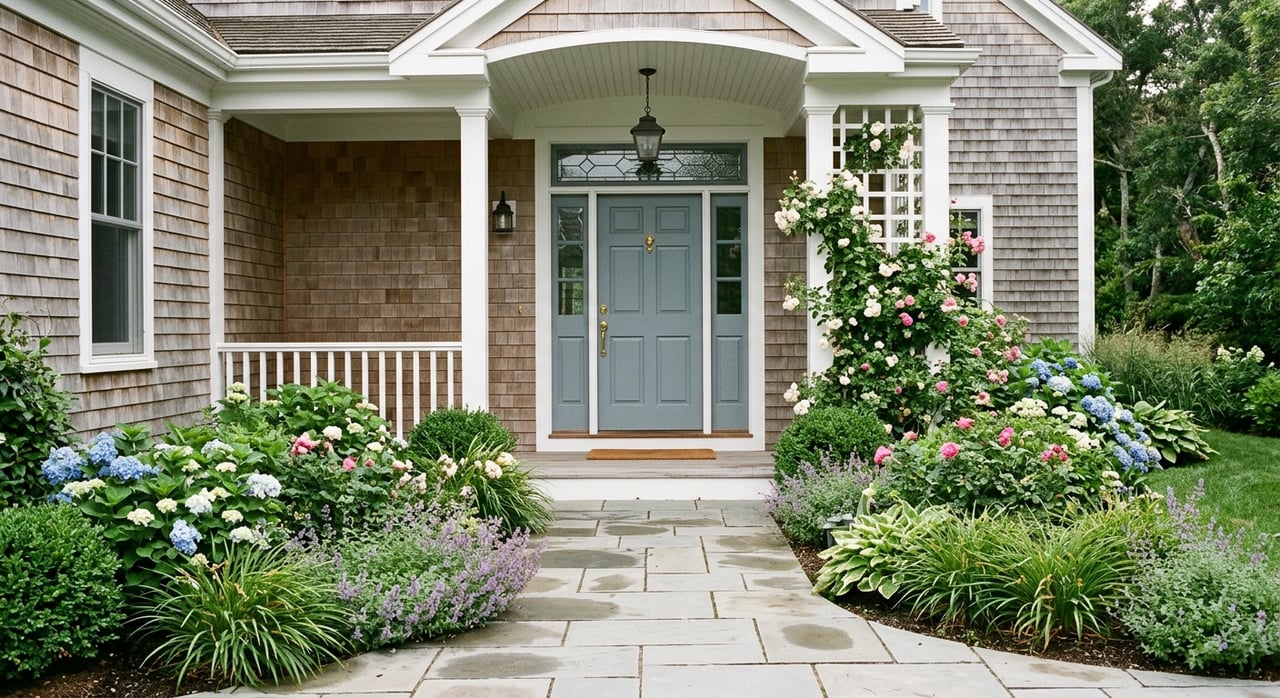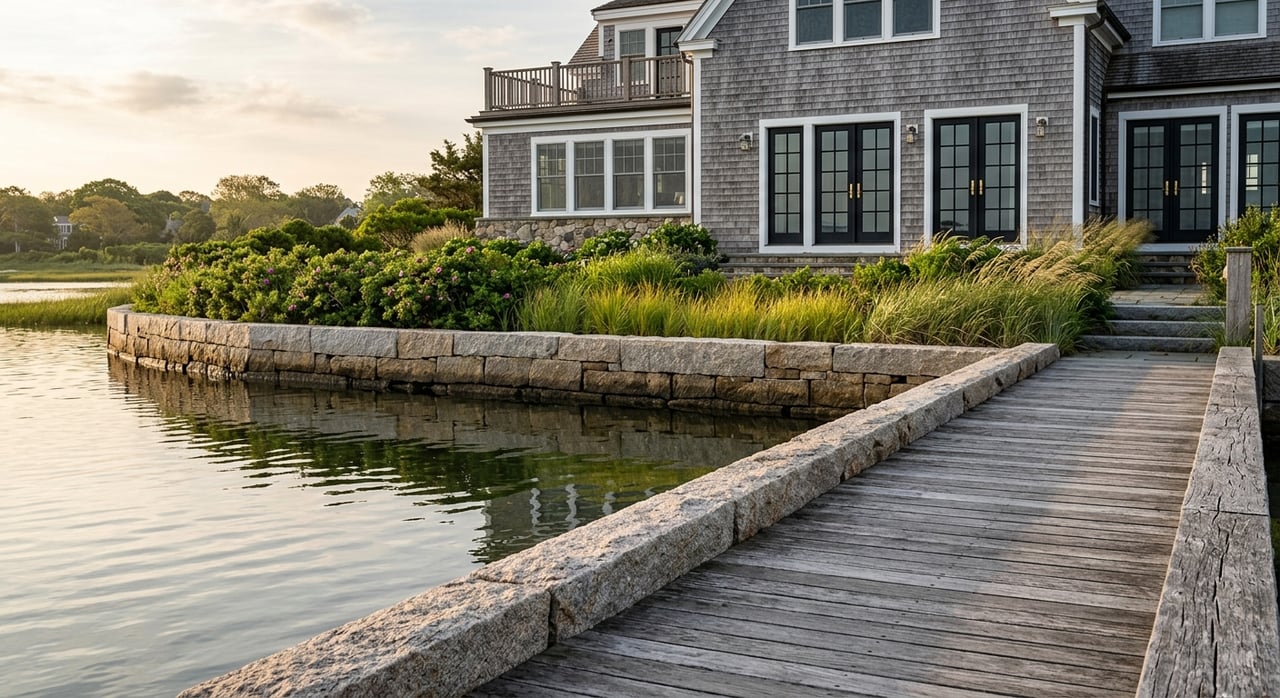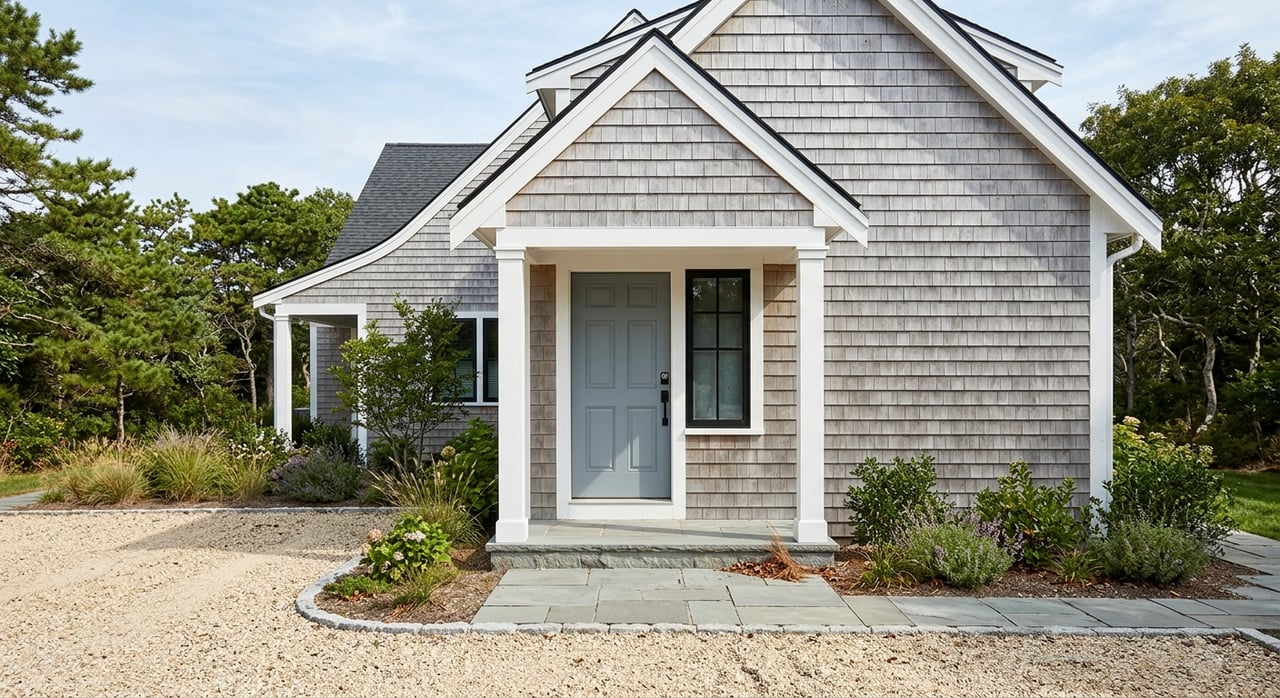
Wondering if a Cape Cod home can be both your getaway and a smart rental property? In Barnstable, the answer can be yes, but only if you buy with clear eyes. If you want a home in ZIP code 02632 with rental potential, you need to balance lifestyle, seasonality, and local rules from day one. This guide will help you focus on the features, questions, and risks that matter most before you buy. Let’s dive in.
Start With Barnstable Rental Rules
If you plan to rent a home in Barnstable, local compliance is not optional. The town requires any property that is rented or offered for rent to register with the Health Division under Chapter 170, and that certificate must be renewed every year. The town’s current short-term rental information also notes a $250 per unit registration fee and explains that the certificate must be posted in the dwelling. You can review the town’s requirements on the Barnstable short-term rental information page.
Barnstable also requires owners to keep an occupant register for two years. Just as important, the Board of Health determines the lawful bedroom count and occupancy count for the property. That matters because your expected rental income should be based on the legal setup of the home, not just the number of beds you think you can fit.
On top of local registration, Massachusetts requires short-term rental operators to register with the Department of Revenue. Barnstable says the current local room-occupancy tax stack totals 14.45%, made up of the state excise, town excise, and the Cape Cod & Islands Water Protection Fund charge. The state explains that an owner may use an intermediary or agent to handle registration and returns through the Massachusetts room occupancy excise guidance.
Understand Cape Cod Seasonality
Rental potential in Barnstable is strongly tied to the calendar. Across Barnstable County, housing demand is highly seasonal, and Massachusetts housing data for Cape Cod shows how large that seasonal footprint really is. For buyers, that means you should expect a summer-heavy income pattern rather than smooth year-round performance.
Barnstable’s 2025 housing production plan says short-term rentals usually make up about 2.3% to 3.4% of the town’s housing stock at any one time, and registered units have varied significantly by season and year. The same report notes that these homes commonly rent for about $200 to $599 per night, which gives you a useful starting range when you evaluate a purchase. You can explore that context in the Barnstable 2025 Housing Production Plan.
Recent regional booking data shows the same pattern. Barnstable County short-term rental occupancy ran about 25% to 33% in winter 2026, then climbed to 70.5% in July and 72.9% in August, according to the Cape Cod Chamber Regional Data Center. That kind of swing can work well for the right buyer, but it calls for realistic planning around mortgage costs, upkeep, and slower shoulder-season demand.
Buy for Use, Not Just Income
A home with rental potential should still work for your life on the Cape. Many second-home buyers want a property they can enjoy themselves, then rent during high-demand weeks. That usually leads to better long-term decisions than chasing a headline income number alone.
In practice, the strongest properties are often the ones that are simple to use, simple to maintain, and easy for guests to understand. Think of a home that feels welcoming after a beach day, has a layout that flows well for a one-week stay, and does not create avoidable turnover headaches. A house that works for both owner enjoyment and guest convenience often has the most durable appeal.
Look for Guest-Friendly Features
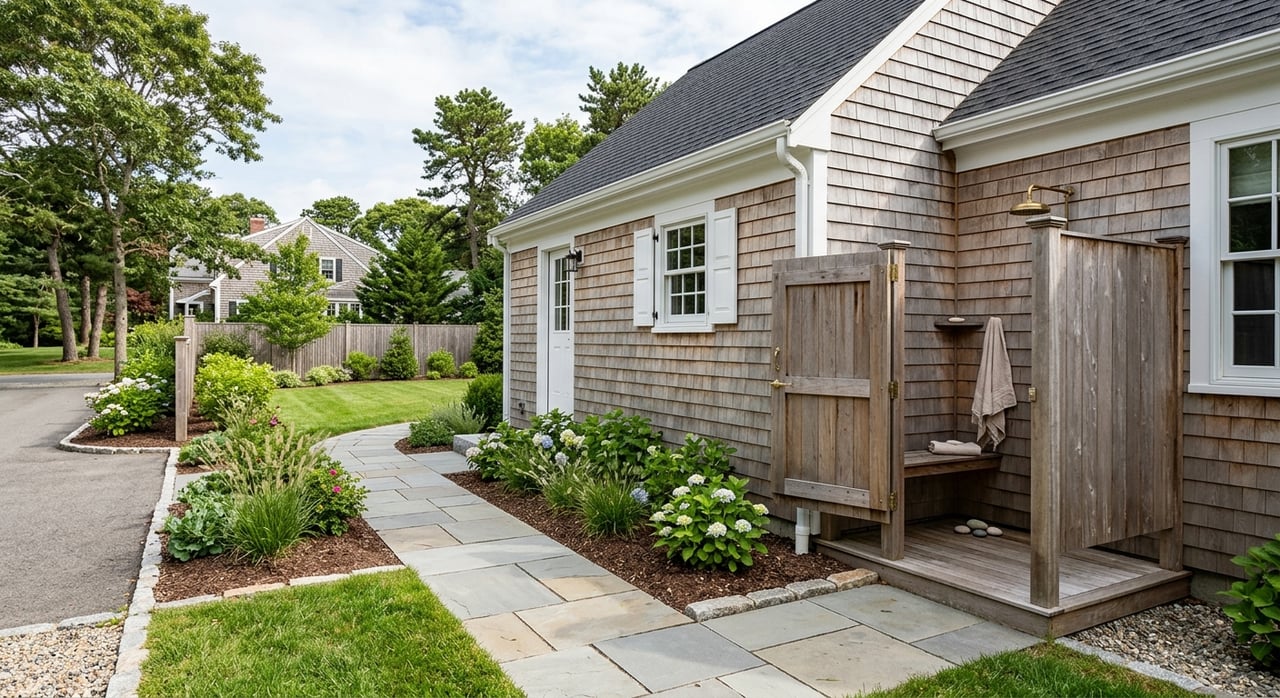
Not every attractive home makes a good rental. In coastal markets like Cape Cod, guests tend to prioritize practical comfort and easy beach living over flashy extras. According to WeNeedaVacation’s amenity guidance, features like fast Wi-Fi, air conditioning, outdoor space, beach gear, and outdoor showers can help support bookings and nightly rates.
When you tour homes in Barnstable, pay close attention to features that make weekly occupancy easy:
- Reliable high-speed internet
- Air conditioning or strong climate control
- Washer and dryer
- Adequate parking
- A well-equipped kitchen
- Outdoor seating and dining areas
- Grill space
- Beach gear storage
- Outdoor shower or sand-friendly entry setup
- Streaming-ready TVs and easy check-in flow
These features do more than improve marketing photos. They can reduce friction for guests, simplify turnovers, and make the home easier to explain in a listing description.
Match Occupancy to Real Capacity
One of the biggest mistakes buyers make is assuming a home can support more guests than the town will allow. Barnstable’s rules address occupancy, parking, smoke detectors, and carbon-monoxide alarms, and those details affect how a home can actually be rented under local standards. You can review the core requirements in the town’s rental regulations under Chapter 170.
That means a home’s legal rental capacity should match its actual setup. If parking is tight, if bedrooms are not recognized as legal bedrooms, or if the safety systems need updating, those limits can affect both guest count and your expected revenue. Before you buy, it is worth confirming how the property functions in the real world, not just on paper.
Be Careful With ADU Assumptions
If a property includes an accessory dwelling unit, do not assume it adds short-term rental flexibility. Barnstable’s June 2025 ADU FAQ states that ADUs cannot be used as short-term rentals and must be rented for more than 31 consecutive days. That can change the math significantly if you were hoping to use a detached or in-law style space for weekly summer income.
The same FAQ also notes that rented units in Barnstable must register with the Health Division and meet inspection and upkeep requirements. If an ADU is part of your buying strategy, make sure you understand how it fits into your intended use before you make an offer.
Ask the Right Due Diligence Questions
A Cape Cod purchase with rental potential deserves more than a basic home search. You want to know not just whether a home is appealing, but whether it can support your intended use with fewer surprises. Asking the right questions early can save you money and frustration later.
Here are some of the most important questions to ask before you buy:
- Is the property already registered with Barnstable’s Health Division?
- Is it registered with the Massachusetts Department of Revenue if it has been used as a short-term rental?
- What bedroom count and occupancy count is likely to be allowed?
- Does the septic system or sewer connection support the current layout and intended use?
- Would adding a bedroom or changing the use trigger an inspection?
- Are there private covenants, deed restrictions, or HOA rules that limit rentals?
- Is the property in a flood-hazard area?
- Has flood risk been reflected in the asking price and ownership costs?
These questions matter because they affect both legality and operating costs. For example, MassDEP says septic systems need inspection when homes are sold and also when owners plan to add a bedroom or change use, and Barnstable’s ADU guidance says buyers should verify septic capacity and nitrogen-sensitive-area status with the Health Division.
Do Not Overlook Flood Risk
Flood exposure deserves extra attention in Barnstable and across Cape Cod. The county notes that the Cape is vulnerable to flooding and advises property owners to buy flood insurance before storm season because standard homeowners insurance does not cover flood damage. You can review those recommendations through Barnstable County flood preparedness resources.
The Cape Cod Commission flood map context also supports using FEMA flood maps as the official reference point, and countywide information notes that nearly 20% of Cape Cod land is in a flood-hazard area. For buyers, this can affect insurance costs, renovation planning, and the long-term carrying cost of the property.
Consider Management From the Start
If you will use the home part-time or own it from a distance, professional management may be a practical choice. Between tax registration, local compliance, inspections, guest communication, cleaning schedules, and turnover logistics, a rental home can quickly become a hands-on asset. That is especially true on the Cape, where summer demand is strong and timing matters.
Massachusetts allows an intermediary or agent to register and submit room-occupancy returns on an owner’s behalf, as described in the state’s room occupancy excise tax guidance. For many second-home owners, that kind of support can make the difference between a stressful setup and a workable one.
What a Smart Barnstable Buy Looks Like
In 02632, the best rental-potential homes are usually not the most complicated ones. They are often properties with clear legal use, practical layouts, dependable systems, enough parking, and features that fit the Cape lifestyle. They also tend to be homes you would enjoy using yourself, which helps you make a more balanced decision.
A smart purchase starts with honest expectations. In Barnstable, rental demand can be strong, especially in summer, but success depends on compliance, seasonality, carrying costs, and choosing a property that is easy to own. If you want help sorting through those tradeoffs and finding a home that fits both your lifestyle and your goals, Cindy Harrington can help you search with a local, practical perspective.
FAQs
What rental registration is required for a Barnstable home?
- Any property rented or offered for rent in Barnstable must register with the Health Division under Chapter 170, renew the certificate annually, and follow local occupancy, safety, and record-keeping rules.
What taxes apply to a Barnstable short-term rental?
- Barnstable’s current short-term rental page says the total room-occupancy tax stack is 14.45%, including the state excise, town excise, and the Cape Cod & Islands Water Protection Fund charge.
Can an ADU be used as a short-term rental in Barnstable?
- No. Barnstable’s June 2025 ADU FAQ says ADUs cannot be used as short-term rentals and must be rented for more than 31 consecutive days.
What occupancy pattern should buyers expect for Barnstable County rentals?
- Regional data shows a strong summer pattern, with lower winter occupancy and much higher demand in July and August, so buyers should plan for seasonal income rather than even year-round cash flow.
What features help a Cape Cod home appeal to renters?
- Buyers should look for practical guest-friendly features like fast Wi-Fi, air conditioning, a washer and dryer, parking, a functional kitchen, outdoor living space, beach gear storage, and an outdoor shower.
Why should Barnstable buyers check flood risk before purchasing?
- Flood risk can affect insurance costs, maintenance planning, and overall ownership expenses, and standard homeowners insurance does not cover flood damage.