Wondering what makes a Cape Cod home a smart fit for retirement? In Barnstable, the answer is often less about square footage and more about how well a home supports your daily life now and later. If you are planning a full-time move or looking for a seasonal base that can grow with you, this guide will help you focus on the features, locations, and tradeoffs that matter most. Let’s dive in.
What Retirement Living Looks Like in Barnstable
Barnstable offers more than postcard charm. The town has local services and planning priorities that reflect the needs of older residents, including support through the Town of Barnstable Council on Aging and programming at the Adult Community Center in Hyannis.
The town’s broader housing planning also highlights accessible housing and aging in place. That matters because it shows retirement-friendly living is part of local planning, not just a personal preference you have to solve on your own.
For many buyers, Barnstable works well because it gives you options. You can look for a home close to beaches, near Hyannis services, or in an area that makes seasonal living easier to manage.
Prioritize a Home That Ages Well
A beautiful home is only part of the picture. If you are buying for retirement, it helps to think about how the property will function over time, especially if your mobility, routines, or maintenance preferences change.
Town research points to stair management and overall home upkeep as important issues for older adults. In practical terms, that often means the best retirement home is the one that feels easy to live in on an ordinary Tuesday, not just impressive on the day you tour it.
Look for Easier Layouts
One-level living is often the simplest choice. A ranch, a condo with fewer physical demands, or a home with a first-floor primary suite can make day-to-day life more comfortable and support long-term flexibility.
If you are considering a two-story property, pay close attention to how often you would need to use the stairs. A home can still work well if the main living spaces, primary bedroom, and laundry are all on the first floor.
Think Beyond Today’s Needs
It is easy to shop for the life you have now. Barnstable’s planning documents encourage a longer view, with accessibility and independent living treated as part of aging in place.
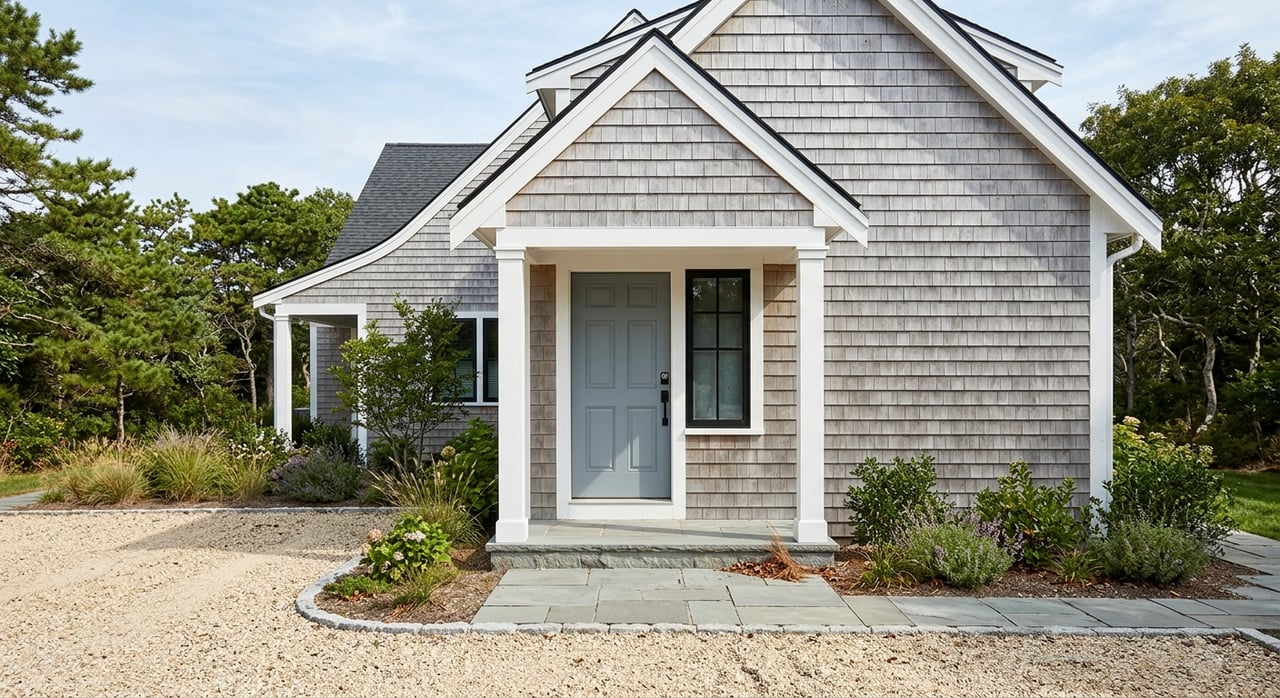
That is why features like step-free entry, wider circulation space, and practical bathroom layouts can be worth prioritizing. You may not need every accessibility feature today, but choosing a home with fewer future obstacles can give you more options later.
Keep Maintenance in Check
Retirement often comes with a new goal: spending less time managing a property and more time enjoying the Cape. Exterior upkeep, yard size, and the overall complexity of the home all deserve a close look.
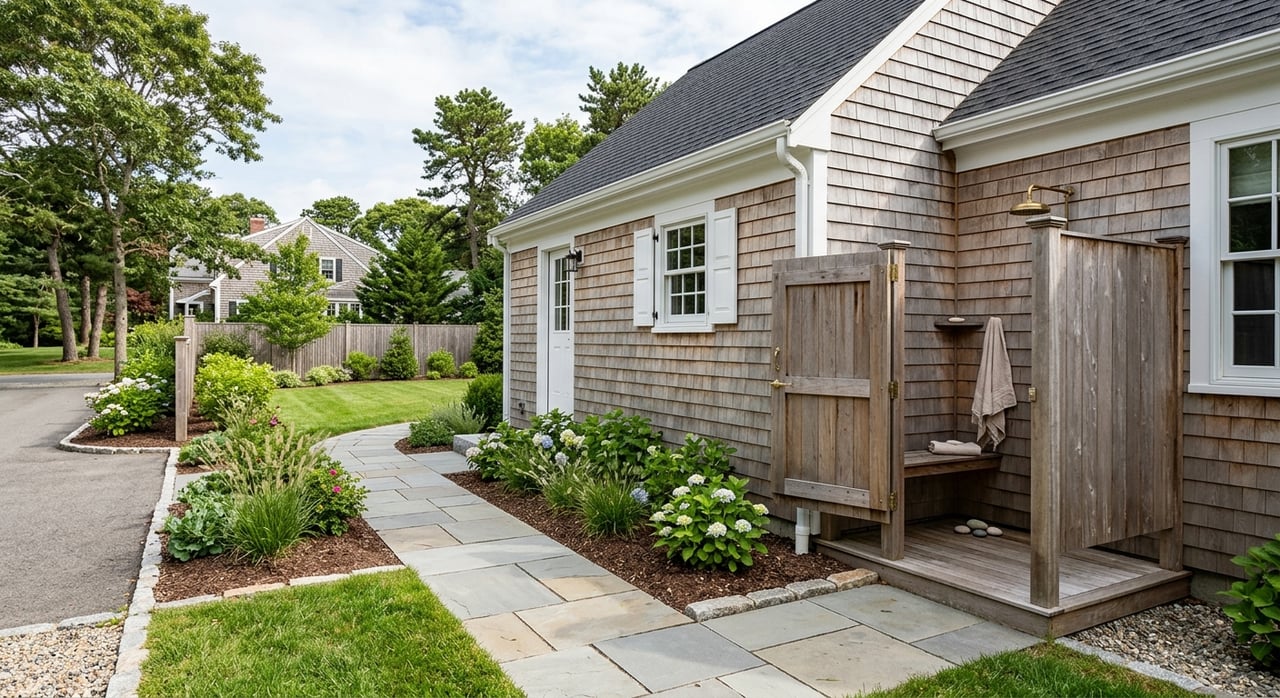
If you plan to use the property seasonally, lower maintenance can matter even more. A manageable lot, simpler landscaping, and a layout that does not require constant upkeep can make the home easier to lock and leave.
Focus on Daily Convenience
A retirement home should support the life you want to live each day. In Barnstable, that means looking beyond the property line and thinking about errands, appointments, transportation, and how much driving you want to do.
Hyannis stands out because many services are concentrated there. The Adult Community Center is located at 825 Falmouth Road, and the area also has a concentration of Cape Cod Healthcare offices and specialties, which can make routine care and specialist visits easier to manage.
Transportation Matters More Than You Think
Even if you drive comfortably now, transportation access can still shape your long-term satisfaction. Barnstable offers several local and regional options that can reduce dependence on a car.
The town runs a transportation program for Barnstable residents age 60+ and disabled residents for local trips such as medical appointments, banking, shopping, and errands. CCRTA also provides year-round fixed routes, demand-response services, ADA paratransit, and other specialized transportation options.
In Hyannis, the transportation center acts as a regional hub. It connects local bus service, seasonal options like the Hyannis Trolley, and summer weekend train service to Boston via the CapeFLYER.
Check the Real-World Route
A home may look convenient on a map but feel very different in daily life. Barnstable’s aging study notes that sidewalks may be missing or poorly maintained in some areas, and snow and ice can also make walkability harder.
That means it is smart to ask practical questions during your search. How easy is it to get to shopping, appointments, beaches, and town services in every season, not just in July?
Compare Barnstable Areas by Lifestyle
There is no single perfect retirement spot in Barnstable. The right fit depends on whether you want easier access to services, quick beach trips, trail time, or a quieter seasonal setup.
Hyannis may appeal to buyers who want stronger access to transportation and healthcare services. Other parts of Barnstable may better suit buyers who prioritize open space, beach access, or a less central setting.
Beach Access Is About More Than Distance
Living near the water sounds ideal, and sometimes it is. But in Barnstable, beach access also comes with practical details like parking, seasonal crowds, local rules, and how easy it is to get there on a busy day.
Town beaches include Kalmus Beach, Veterans Park Beach, Millway Beach, Keyes Beach, Sandy Neck Beach, Covell’s Beach, Craigville Beach, and Wequaquet Lake Beach. Sandy Neck Public Beach, for example, includes parking, restrooms and changing facilities, a concession stand, seasonal lifeguards, and a day pass or parking permit requirement.
If beachgoing is central to your retirement plan, think carefully about convenience. A home five minutes away can still feel far if parking is difficult or peak-season access is stressful.
Trails and Open Space Add Value
For many retirees, daily quality of life comes from simple routines like walking, biking, or spending time outdoors. Barnstable offers beaches, conservation areas, ponds, and open space resources that can support that lifestyle.
The town also promotes Cape Cod Pathways and a Walking Library, and the Cape Cod Rail Trail is being extended into Barnstable with active design and construction phases underway. If regular outdoor activity is important to you, proximity to trails and open space can be just as meaningful as water views.
Watch for Coastal and Weather Risks
Cape Cod living comes with tradeoffs, and it is wise to understand them before you buy. Barnstable’s hazard planning identifies hurricanes, winter storms, flooding, shoreline change and coastal erosion, wildfire, and dam failure as relevant local risks.
Coastal areas are the most affected by flooding, according to town materials. If you are considering a home near the shore or in a low-lying area, flood risk should be part of your early due diligence, not an afterthought.
Ask the Right Due Diligence Questions
Before making an offer, review FEMA flood maps and Barnstable’s floodplain and climate resilience resources. This is especially important for waterfront, near-water, or low-elevation properties.
It also helps to think through how weather affects daily living. A retirement home should feel workable in shoulder seasons and winter, not only during the peak summer market when everything looks easy and bright.
A Simple Retirement Home Checklist
As you narrow your options, use a practical lens. The strongest fit in Barnstable is often a home with limited stairs, manageable upkeep, convenient access to Hyannis services, and a realistic plan for beach or trail access throughout the year.
Here are a few smart questions to guide your search:
- Can you live primarily on one floor?
- Is the entry easy to manage in all seasons?
- How much exterior upkeep will the property require?
- How far are healthcare offices, errands, and local services?
- Are transportation options nearby if driving becomes less appealing?
- How easy is beach or trail access in peak season and off-season?
- Is the property in or near an area with meaningful flood risk?
A retirement move is personal, but it should also be practical. The right Barnstable home can support the Cape lifestyle you want while making daily life feel simpler, safer, and more enjoyable over time.
If you are thinking about retirement on Cape Cod, the best next step is to match your lifestyle goals with the right location and home features. Cindy Harrington can help you compare Barnstable options with a clear eye on comfort, convenience, and long-term fit.
FAQs
What home features matter most for retirement in Barnstable?
- The most important features are usually limited stairs, one-level living or a first-floor primary suite, practical laundry placement, manageable upkeep, and layouts that can support aging in place.
What makes Hyannis useful for retirement living in Barnstable?
- Hyannis offers a concentration of services, including the Adult Community Center, transportation connections, and many Cape Cod Healthcare offices and specialties.
What transportation options are available for older adults in Barnstable?
- Barnstable offers a local transportation program for residents age 60+ and disabled residents for errands and appointments, and CCRTA provides fixed routes, demand-response service, ADA paratransit, and other regional connections.
What should buyers know about beach access in Barnstable for retirement?
- Beach access depends on more than distance because parking, passes, seasonal crowds, and ease of entry can all affect how practical a beach location feels.
What risks should retirement buyers review before buying in Barnstable?
- Buyers should review local risks such as flooding, hurricanes, winter storms, shoreline change and coastal erosion, and should check FEMA flood maps and Barnstable floodplain and resilience resources when considering coastal or low-lying homes.
What type of Barnstable home is often the best fit for retirement?
- A strong retirement fit is often a low-maintenance home with limited stairs, good access to Hyannis services, and a realistic plan for transportation, errands, and outdoor access year-round.