Are you better off stretching for a waterfront home on Cape Cod, or buying inland and keeping more room in your budget? If you are comparing homes in Centerville and the wider Barnstable area, that question is about much more than scenery alone. The right choice comes down to how you want to live, what ownership costs may look like, and how carefully a property’s water rights and site conditions have been documented. Let’s dive in.
Understand the local market first
If you are shopping in ZIP code 02632, you are looking at the Centerville section of Barnstable. As of March 2026, the local market data for 02632 shows a median listing price of $799,000, about 30 active listings, a median 38 days on market, and a 95% sale-to-list ratio.
That tells you the market is active, but not wildly overheated. It also helps explain why buyers often pause before choosing between waterfront and inland homes, because even nearby Barnstable areas can vary sharply in price, from lower median pricing in Hyannis to much higher medians in places like Wianno and West Barnstable.
Know what waterfront really means
One of the most important steps in your search is understanding the labels used in listings. On Cape Cod, those words can sound similar, but they do not mean the same thing.
According to MLS rules and definitions, waterfront means the property directly abuts navigable water and allows watercraft access from the property without crossing other land. Water-view means you can see water from the property. Water access means the property has deeded access to a boat ramp, which is different from simply being near a public launch or beach.
That difference matters. If your goal is kayaking from your backyard, docking a boat, or stepping directly to the shore, a water-view home may not deliver the lifestyle you are imagining.
Why the label affects value
These listing categories often come with very different price points. A true waterfront property typically carries the strongest premium because you are paying for direct shoreline ownership and use, not just the look of the water.
Broader coastal housing research shows that water-related premiums are real, but they vary by market cycle, view quality, water type, and ownership rights. One coastal housing study found that some water-view premiums fell in roughly the 4% to 12% range, while national Zillow research cited in the same source found a waterfront premium of 36% in 2018, down from 54% in 2012.
Compare lifestyle fit, not just price
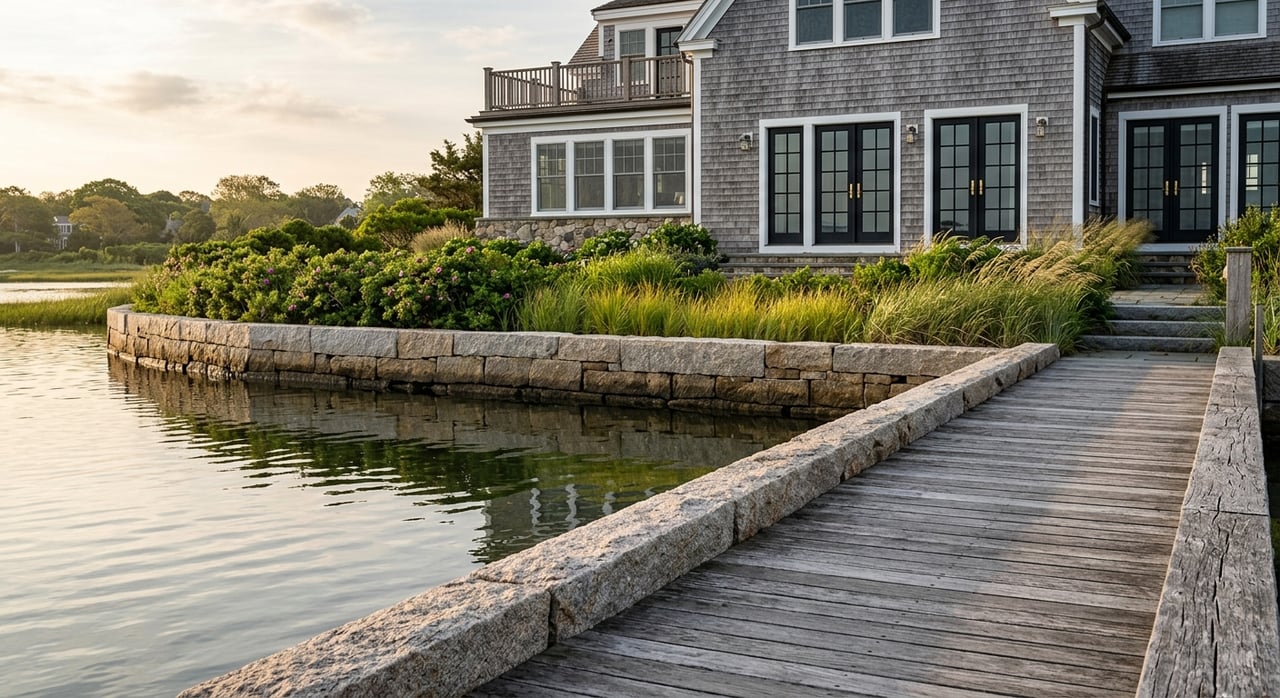
A waterfront home can feel like the full Cape Cod dream. You may get direct access to the water, stronger view appeal, and a setting that is hard to duplicate farther inland.
But that premium only makes sense if direct water use is central to how you plan to live in the home. If you care more about being near beaches, village areas, or favorite routes around Barnstable than owning the shoreline itself, an inland home may give you better overall value.
Waterfront homes: best for direct use
Waterfront homes usually make the most sense when you want the water to be part of your daily routine. That might mean boating, paddling, watching the tide, or prioritizing a view that shapes how the home feels year-round.
The tradeoff is that waterfront ownership also concentrates more of the issues that come with coastal property. Those can include flood exposure, erosion concerns, permitting limits, and insurance costs.
Water-view homes: a middle ground
Water-view homes often appeal to buyers who want scenery and proximity without paying for direct shoreline ownership. You may still capture the visual pull of the coast while keeping more flexibility in your budget.
This category can be a smart compromise, but the premium is still highly site-specific. A sweeping, protected view may be valued very differently from a narrow seasonal glimpse, so the quality of the view matters as much as the label.
Inland homes: often more budget flexibility
Inland homes often let you buy more house, more land, or a different level of updates for the same price. For some buyers, that means better long-term value, especially if the home still offers easy access to beaches, boat launches, or village amenities.
Still, inland does not automatically mean simple or low-risk on Cape Cod. Some inland homes may still face flood considerations, drainage issues, or septic-related costs that should be part of your planning from day one.
Factor in flood risk and insurance
This is one of the biggest differences between browsing listings and owning the property. On Cape Cod, flood risk is not limited to homes sitting right on the shoreline.
The Cape Cod Commission notes that the region faces erosion, coastal storm flooding, and sea-level rise, and that nearly 20% of Cape Cod land is within the flood-hazard area. Barnstable County also notes that flooding can happen from heavy rain, storm surge, snowmelt, and clogged drains, and that coastal floodplains can extend inland.
That means you should ask about flood zone status whether a home is waterfront or not. A property that seems comfortably inland may still have flood insurance implications depending on its map location, elevation, and structure type.
What buyers should ask early
Barnstable County says flood insurance rates can depend on flood risk, foundation type, and elevation relative to the first floor. It also notes that federally backed mortgages in A and V zones require flood coverage, and that new NFIP policies generally have a 30-day waiting period.
Before you fall in love with a property, ask for:
- Flood zone information
- A current or estimated flood insurance quote
- Elevation details if available
- Any history of storm or drainage issues
- Information on permits needed for future site work
Do not overlook septic costs
On Cape Cod, septic is a major ownership topic whether you buy waterfront or inland. It is easy to assume inland homes will be lower-maintenance, but that is not always true.
According to Barnstable County’s Title 5 homeowner resources, more than 85% of Cape homes use septic systems. The county also explains that wastewater moves quickly through the Cape’s sandy soils, and that septic-related nutrient pollution can affect ponds, bays, shellfish areas, beach closures, tourism, and property values.
Why this matters in Barnstable
Under the current Title 5 framework, towns in nitrogen-sensitive areas may pursue watershed permits or require innovative or alternative septic upgrades within five years. For buyers, that means a home’s wastewater system is not a small checkbox. It can affect your future costs and your renovation plans.
When you tour a home, ask whether it is on sewer or septic. If it is on septic, ask about the system age, inspection status, and whether local nitrogen-sensitive area rules could influence future upgrades.
Privacy and access are site-specific
Many buyers assume waterfront automatically means total privacy, or that inland means less access to the water. In practice, those assumptions can be misleading.
Barnstable County notes that floodplains can provide public access to waterfront areas, while MLS definitions show that water access may be deeded rather than direct. So the listing label alone does not tell you how private the setting will feel or exactly how you can use the shoreline.
This is why deed review matters. If privacy, shoreline use, or launching a watercraft is important to you, the legal access rights should be confirmed in the deed and listing documents before you rely on the marketing description.
Use a total-cost mindset
The smartest Cape Cod decision is usually not about waterfront versus inland in the abstract. It is about total monthly ownership cost and long-term fit.
A lower-priced inland home may still need septic work or carry some flood exposure. A waterfront home may justify its higher cost if direct water access is central to your life on the Cape. The better value depends on how often you will use what you are paying for.
A simple comparison guide
| Home type | Main advantage | Main caution |
|---|---|---|
| Waterfront | Direct water use and strongest view appeal | Higher flood, erosion, insurance, and permitting considerations |
| Water-view | Scenic setting without direct shoreline ownership | Premium can vary widely based on actual view quality |
| Inland | Often more budget flexibility | May still involve flood exposure or septic obligations |
Questions to ask on every tour
If you want to compare homes clearly, keep your due diligence consistent. A few practical questions can save you time and protect your budget.
Ask these on every showing:
- Is this property truly waterfront, water-view, or water access only?
- Are the access rights documented in the deed or listing materials?
- Is the home in a flood zone, and what would flood insurance likely cost?
- Is wastewater handled by sewer or septic?
- If septic, could Title 5 or a nitrogen-sensitive area create upgrade risk?
- Would future work near the shore require permits or Conservation Commission approval?
- How would storm preparation or evacuation logistics affect this location?
Barnstable County also reminds residents that Cape Cod has only two bridges off-Cape and often advises sheltering in place or moving farther from the water during storms. That makes flood preparedness and location planning part of the real ownership picture, especially for waterfront buyers.
The best choice depends on your Cape goals
If your vision of Cape Cod living centers on direct water access and daily use of the shoreline, a true waterfront home may absolutely be worth the premium. If your priorities are more about overall value, lower upfront cost, or getting more house for your money, an inland or water-view property may be the better fit.
The key is to look beyond the headline price and compare what ownership will really involve. When you weigh access rights, flood exposure, septic obligations, and lifestyle goals together, your decision becomes much clearer.
If you are sorting through waterfront, water-view, or inland options in Barnstable and across Cape Cod, Cindy Harrington can help you compare the real tradeoffs and find the property that fits how you want to live.
FAQs
What does waterfront mean for a Cape Cod home?
- Waterfront means the property directly abuts navigable water and allows watercraft access from the property without crossing other land.
What is the difference between water-view and water access on Cape Cod?
- Water-view means the property has a visible view of water, while water access means the property has deeded access to a boat ramp rather than direct shoreline ownership.
Are inland homes in Barnstable always cheaper to own?
- Not always. Inland homes may offer a lower purchase price, but they can still involve flood exposure, septic maintenance, or future wastewater upgrade costs.
Do Barnstable waterfront homes usually need flood insurance?
- Many do, especially if they are in A or V flood zones with a federally backed mortgage, but buyers should verify the specific flood zone and request an insurance quote for each property.
Why is septic important when buying a Cape Cod home?
- Septic matters because most Cape homes use septic systems, and system age, compliance, and possible future upgrade requirements can affect your costs and renovation plans.
How should you compare waterfront and inland homes on Cape Cod?
- Compare not just price, but also access rights, flood risk, insurance costs, septic or sewer setup, permitting issues, and how well the property matches your lifestyle goals.