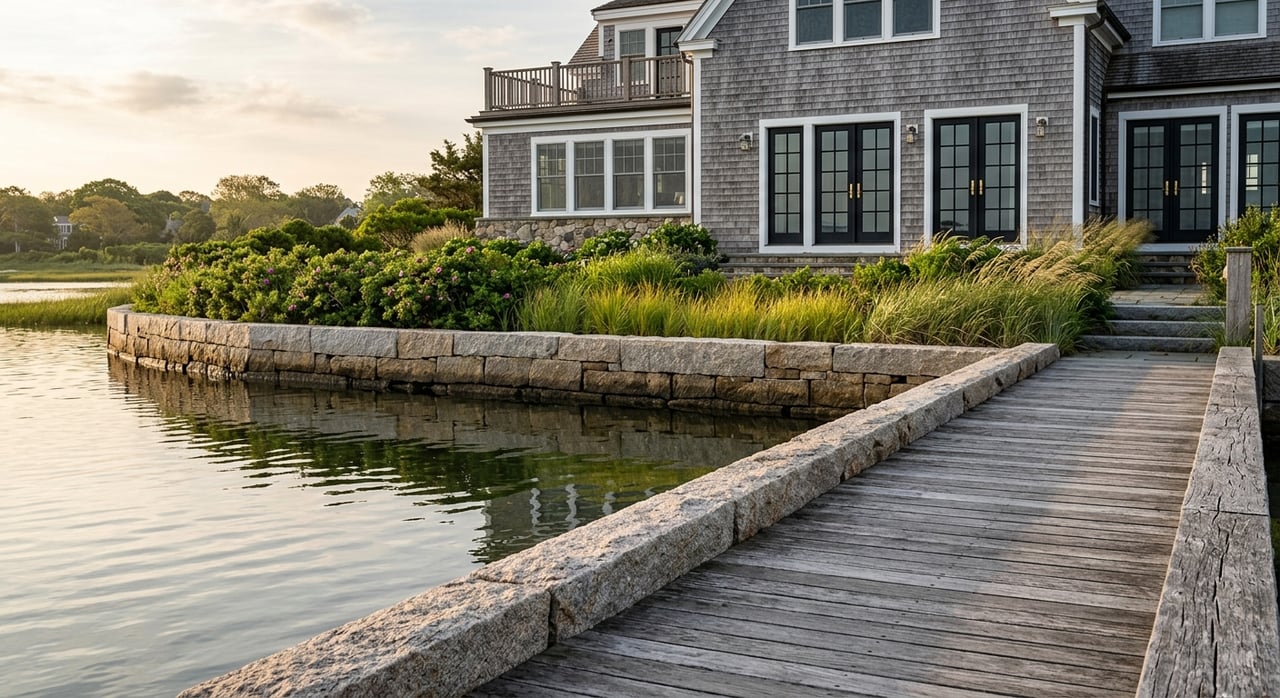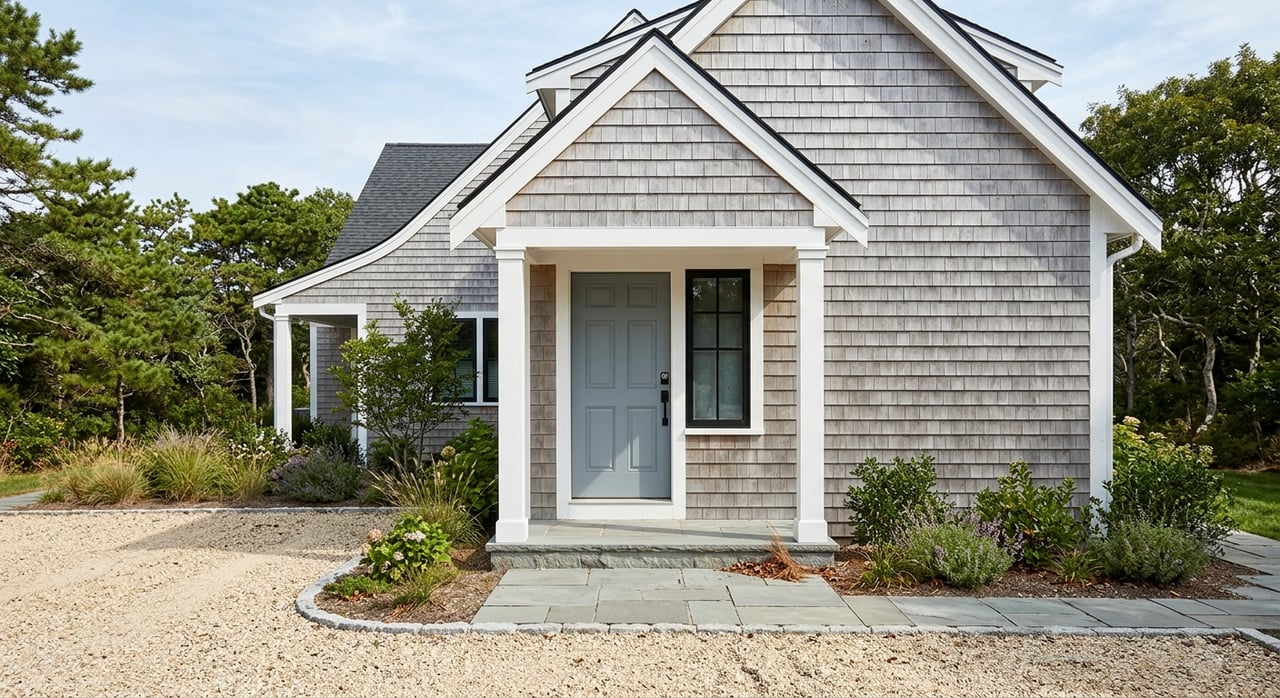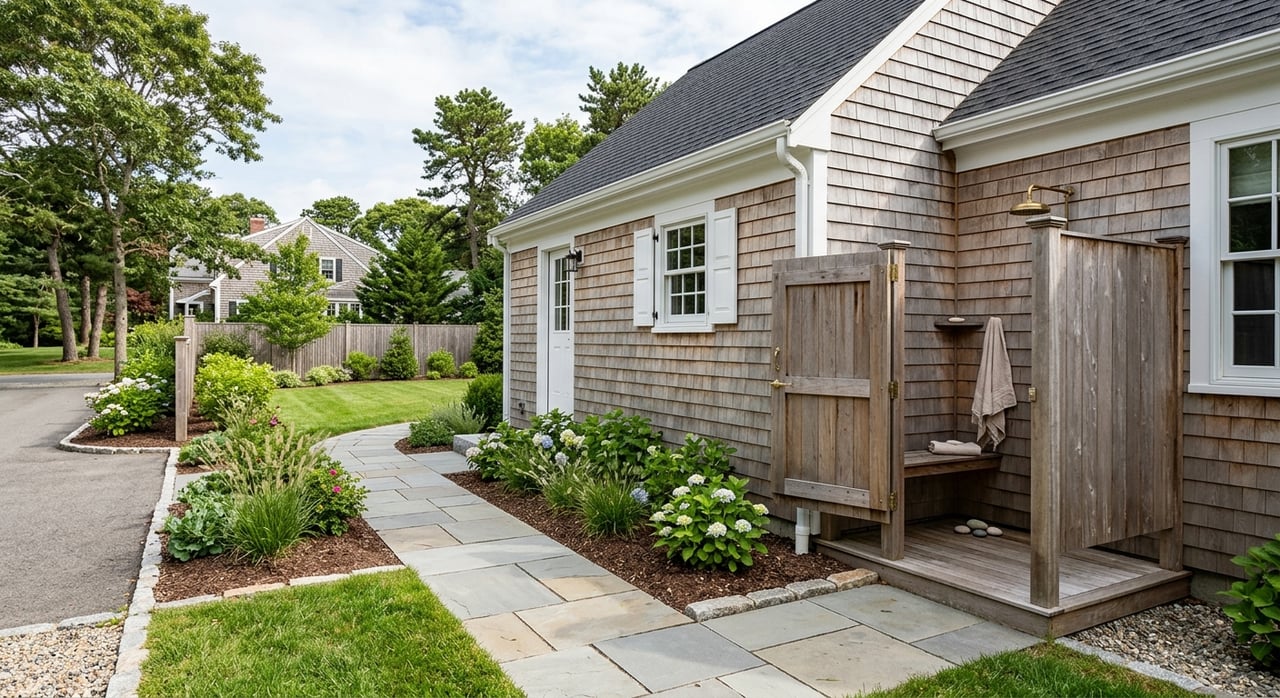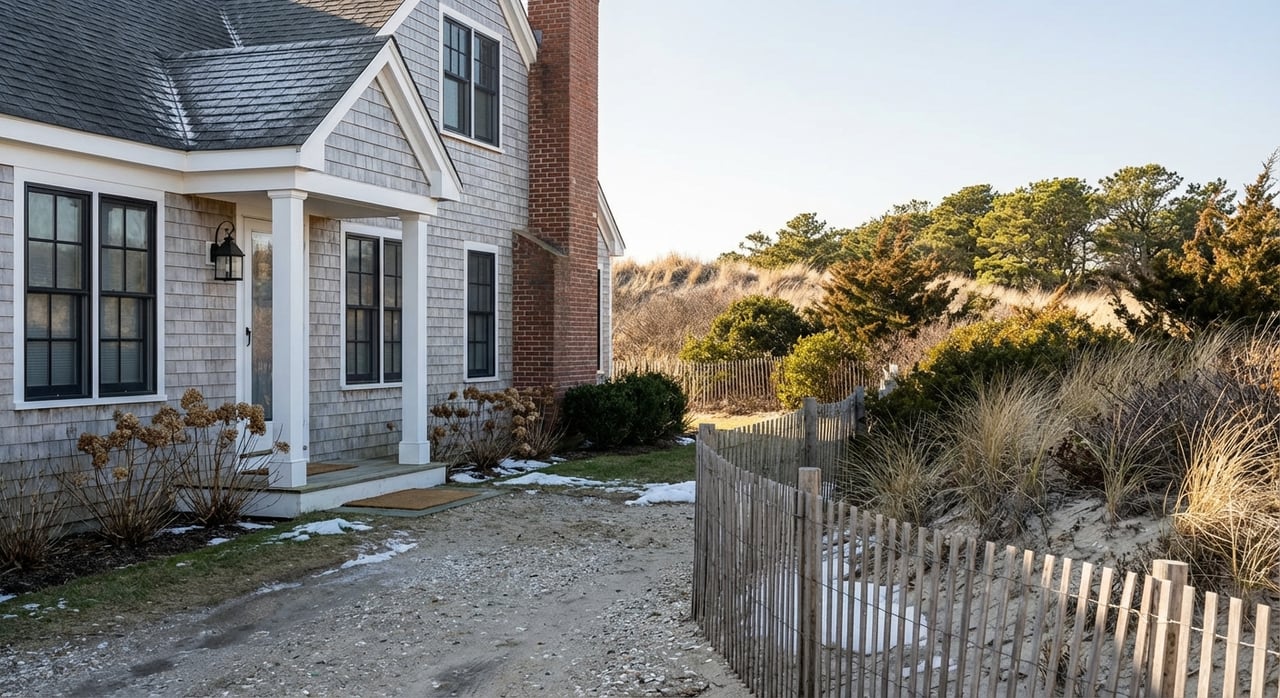
Thinking about making Cape Cod home all year, not just in the summer? You’re not alone. Many people fall in love with Centerville’s beaches and village feel, then wonder what everyday life looks like once the crowds leave. In this guide, you’ll get a clear picture of winter calm, spring awakenings, summer buzz, and fall’s golden quiet, plus practical tips on beaches, ferries, utilities, and homeownership details that matter in 02632. Let’s dive in.
Centerville at a glance
Centerville (ZIP 02632) has a year-round population of about 11,400, a median age near 52, and household incomes commonly in the six-figure range. Home values often fall in the high 400s to 600s, depending on the source and time period. These figures reflect a stable, older-leaning community within the larger Town of Barnstable. See a quick snapshot of 02632 demographics on the 02632 ZIP code profile for context and trends (zip-codes.com).
Cape life runs on a clear seasonal rhythm. Summer is the peak visitor season, while the rest of the year blends local routines with quieter travel and dining. As a resident, you lean into both sides: convenient access to year-round services in nearby Hyannis and the small-town feel that returns each fall through spring.
Winter: calm coasts and smart prep
Winter on the Cape is maritime-moderated. Average daytime highs often land in the 40s with lows near or just below freezing. Snow is common, but totals vary by year. To set month-by-month expectations, check the Hyannis climate normals, the closest long-term station for Centerville weather patterns (NOAA-based station data).
Beaches are quiet in winter. Lifeguard coverage and paid parking are seasonal, so off-season beach walks are easy and peaceful. Many visitor-oriented businesses reduce hours or close. You’ll rely on year-round services like grocery stores, pharmacies, and healthcare hubs in Hyannis.
Plan for nor’easters. Strong wind, coastal flooding in low-lying areas, and occasional outages are part of Cape winters. Routine home winterization helps: schedule heating-system checks, shore up insulation, and line up snow removal. If you are shopping for coastal property, review town hazard plans and FEMA flood resources to understand exposure and insurance needs.
Spring: shoulder-season perks
Spring arrives in fits and starts, with cool March days gradually giving way to milder late April and May. Ocean and bay temperatures begin to rise but typically stay cool for comfortable swimming until late May or June. Track monthly Hyannis water temperatures to gauge when the ocean turns pleasant for you (Hyannis water temperature overview).
Wildlife watching is a highlight. Whale-watching often kicks off by mid-April, with a chance to see right whales and humpbacks in Cape Cod Bay and at Stellwagen Bank. It is a memorable way to enjoy the Cape before peak-season crowds arrive (spring whale-watching guide).
Life around town starts to hum again. Many restaurants expand hours, gardens wake up, and contractors ramp up exterior jobs. If you plan a renovation or big project, spring is a great time to secure dates before summer demand peaks.
Summer: peak fun, plan ahead
From late May through early September, the Cape comes alive. Expect busy roads, popular beaches, and a full cultural calendar. Public beaches operate with lifeguards and parking rules in season. Build a little extra time into summer errands and weekend plans.
Island trips are part of the fun. Passenger and vehicle ferries see peak demand in midsummer. Book ahead, especially if you plan to take a car to Martha’s Vineyard or Nantucket. The Steamship Authority provides year-round service with more capacity in summer and reduced schedules the rest of the year (Steamship Authority overview).
Practical tips: make reservations for popular restaurants, expect higher seasonal pricing in some categories, and line up service providers early if you have summer projects. For quick Boston access, look for seasonal options like the CapeFLYER weekend rail service that helps reduce driving.
Fall: local favorite season
After Labor Day, the Cape shifts back to a calmer pace. September and October bring warm, sunny days and cooler nights. Beaches, trails, and bike paths feel spacious again, and many restaurants return to year-round hours.
Fall is also a great maintenance window. With milder weather and better contractor availability, you can tackle roofing, exterior painting, or landscaping projects more easily than in peak summer. Ferry schedules and public transport gradually shift to off-peak patterns, so check times if you have planned island trips.
Year-round rhythms and services
- Businesses and dining: Essential services stay steady year-round, while many visitor-focused shops and restaurants operate seasonally or with reduced winter hours. This creates a natural two-tempo cadence that locals come to appreciate.
- Healthcare: Hyannis anchors regional healthcare and emergency services for the Mid-Cape. Cape Cod Hospital and the Cape Cod Healthcare network support year-round needs, with emergency contacts centralized for residents and visitors (Cape Cod emergency and healthcare contacts).
- Community life: Off-season brings quieter roads and familiar faces. You will find community through neighborhood ties, town programming, local nonprofits, and small businesses that remain open all winter.
Homeownership on the Cape: what to know
Owning a home on Cape Cod means understanding a few regional essentials. These items can affect your daily routine and long-term costs, so it pays to check them early.
Water and the sole-source aquifer
The Cape relies on a single, fragile aquifer for drinking water. Protecting groundwater quality is a regional priority. When evaluating homes, confirm whether a property is on municipal water or a private well, and check for any current advisories in the local water district. The EPA highlights the aquifer’s significance and ongoing protection efforts in its public materials (EPA aquifer overview).
Sewer, septic, and upcoming connections
Many homes in Barnstable still use on-site septic. The Town of Barnstable has a long-term Comprehensive Wastewater Management Plan to expand sewer service and reduce nutrient impacts in local waters. Whether a property will connect to sewer in the future can influence value, permitting, and assessments. Review the town’s CWMP milestones for coverage and timelines (Barnstable CWMP update).
Flood risk, insurance, and adaptation
Coastal flooding and sea level rise are ongoing planning issues across the Cape. If you are considering low-lying or waterfront areas, consult FEMA flood maps and the Cape Cod Commission’s Sea Level Rise Viewer to assess exposure and understand potential long-term impacts on roads and shorelines. This research helps you plan responsible insurance coverage and future resiliency updates (Sea Level Rise Viewer for Cape Cod).
Heating and winter utilities
Many Cape homes, especially older properties, use oil or propane heat rather than natural gas. Budget for winter fuel, annual servicing, and delivery logistics during cold snaps. Ask about insulation, window efficiency, and recent upgrades that can lower your costs and keep you comfortable in winter.
Seasonal contractors and project timing
Exterior projects are easiest from late spring through early fall, when weather cooperates and trades are fully staffed. For best results, schedule ahead in spring, and use the quieter fall season for wrap-up work before winter.
Seasonal checklist for Centerville living
- Winter
- Service your heating system and confirm oil or propane delivery plans.
- Stock basic storm supplies and set up snow and ice removal.
- Review flood maps if you are near the coast and confirm your insurance coverage.
- Spring
- Book whale-watching and nature outings before summer crowds.
- Schedule exterior maintenance and landscaping.
- Watch water temps if you plan early swims or boating.
- Summer
- Get beach stickers, check lifeguard schedules, and plan for traffic.
- Reserve ferry trips early, especially vehicle spots to the islands.
- Make restaurant and charter bookings ahead of holiday weekends.
- Fall
- Tackle roofing, painting, and outdoor projects in mild weather.
- Enjoy trails, fishing, and beaches with fewer crowds.
- Confirm off-peak ferry and transport schedules for shoulder-season trips.
The bottom line
Living on Cape Cod year-round means embracing the ebb and flow of the seasons. In Centerville, you enjoy quiet winter walks, spring whales and wildflowers, summer beach days and island adventures, and fall’s golden calm. With a little planning around ferries, home systems, and local services, you can make the most of each season and settle into a rhythm that feels both relaxed and connected.
If you are weighing a move or a second home and want guidance on neighborhoods, utilities, flood zones, and timing your search, let’s talk. With decades on the Cape and deep Lower Cape expertise that extends into Barnstable and the Mid-Cape, Cindy Harrington can help you find the right fit and navigate the details that matter.
FAQs
What is winter really like in Centerville on Cape Cod?
- Winters are milder than inland New England thanks to the ocean, with average highs often in the 40s and lows near freezing. Expect occasional snow, wind, and nor’easters.
When do beach lifeguards and parking rules apply in Barnstable?
- Most public beaches operate with lifeguards and parking enforcement during the summer season, typically from Memorial Day to Labor Day, with off-season access more relaxed.
Can you take your car to Martha’s Vineyard or Nantucket year-round?
- Yes, vehicle ferry service operates year-round with seasonal schedule changes, and midsummer requires advance reservations. Passenger fast ferries also run frequent service.
How warm is the ocean and when is it swimmable near Hyannis and Centerville?
- Water warms through late spring and peaks in midsummer, with many swimmers finding it comfortable from late June into early September depending on personal preference.
Is it realistic to live on Cape Cod year-round if I work remotely?
- Yes. Thousands of residents live here all year with reliable essentials like groceries and healthcare, plus a quieter off-season pace that many find ideal for remote work.
How do I check if a Centerville home is on septic or scheduled for sewer connection?
- Ask for the property’s current wastewater status and review Barnstable’s Comprehensive Wastewater Management Plan maps and timelines to learn when sewer service may reach the area.