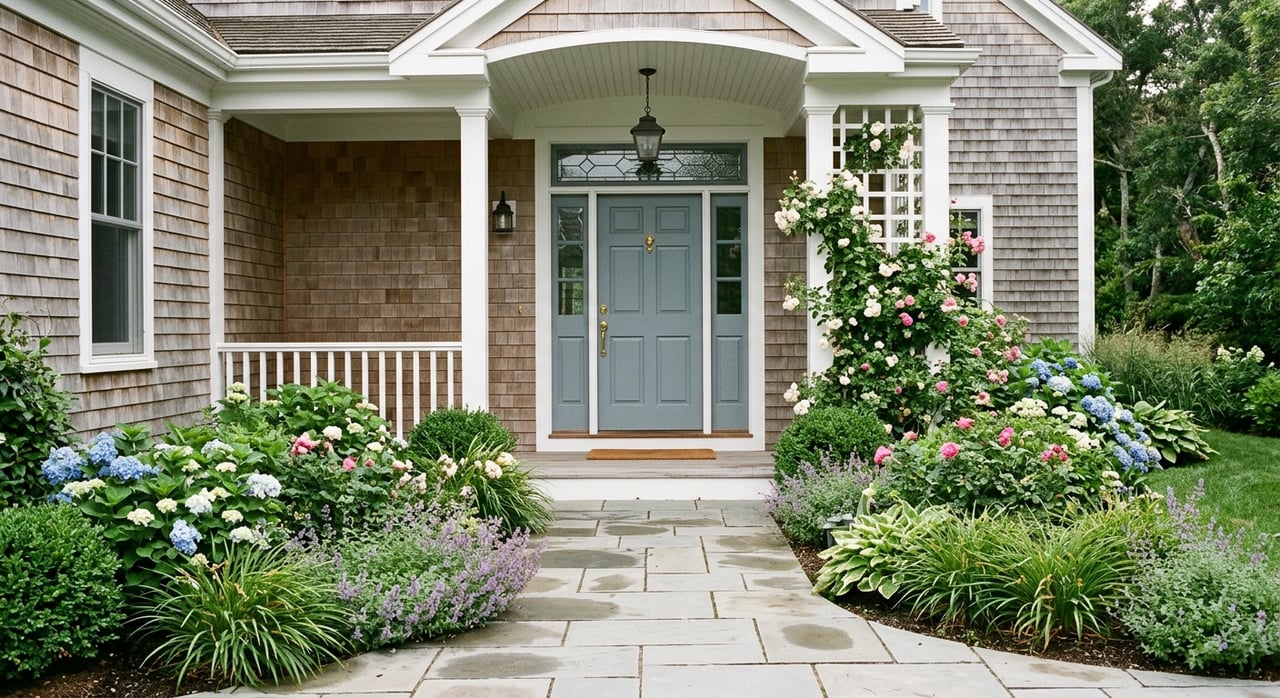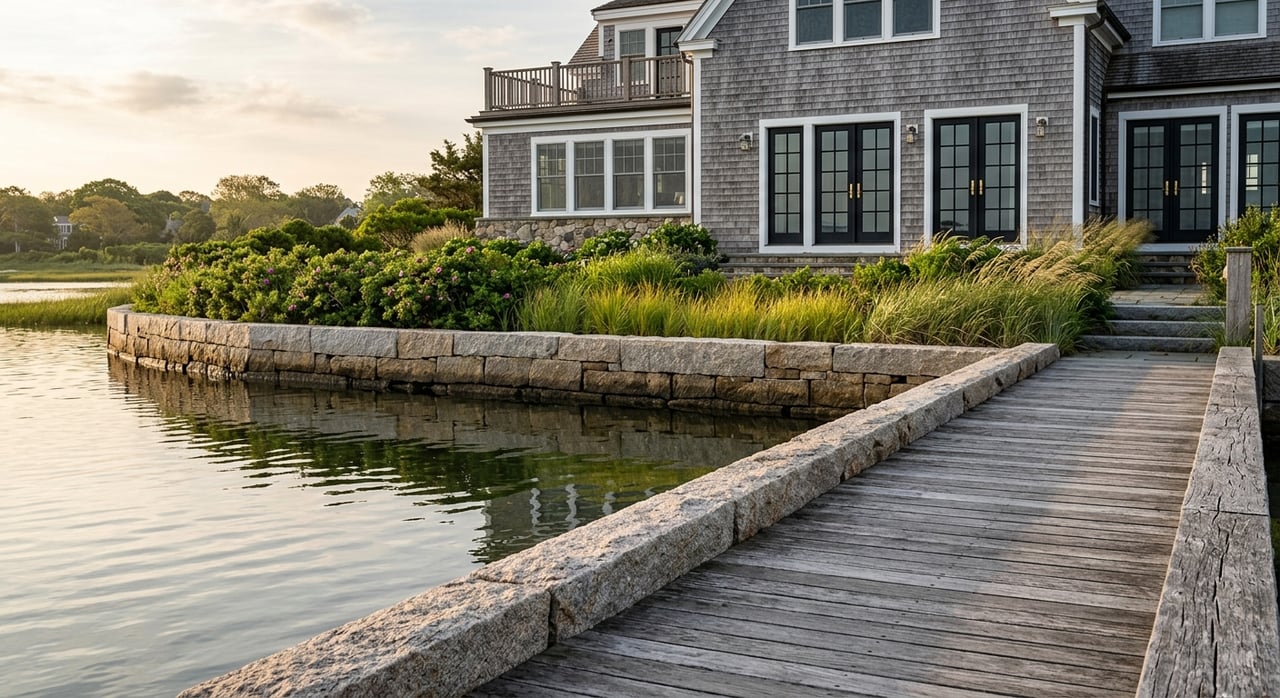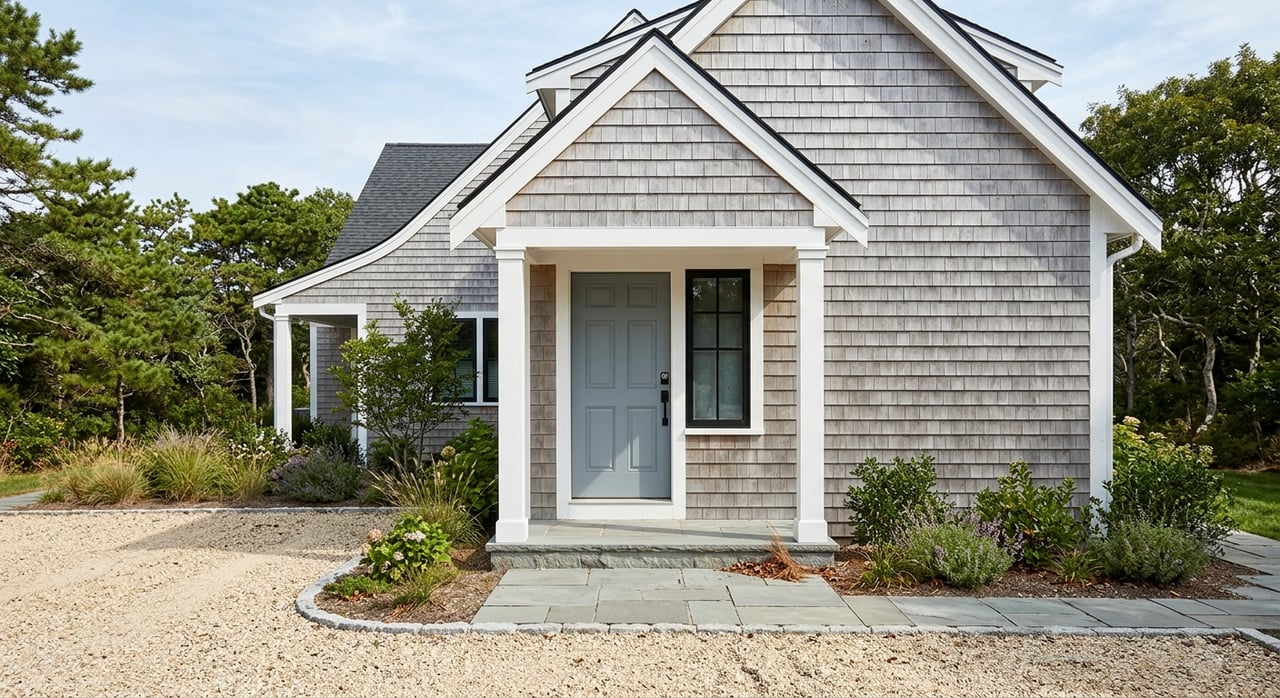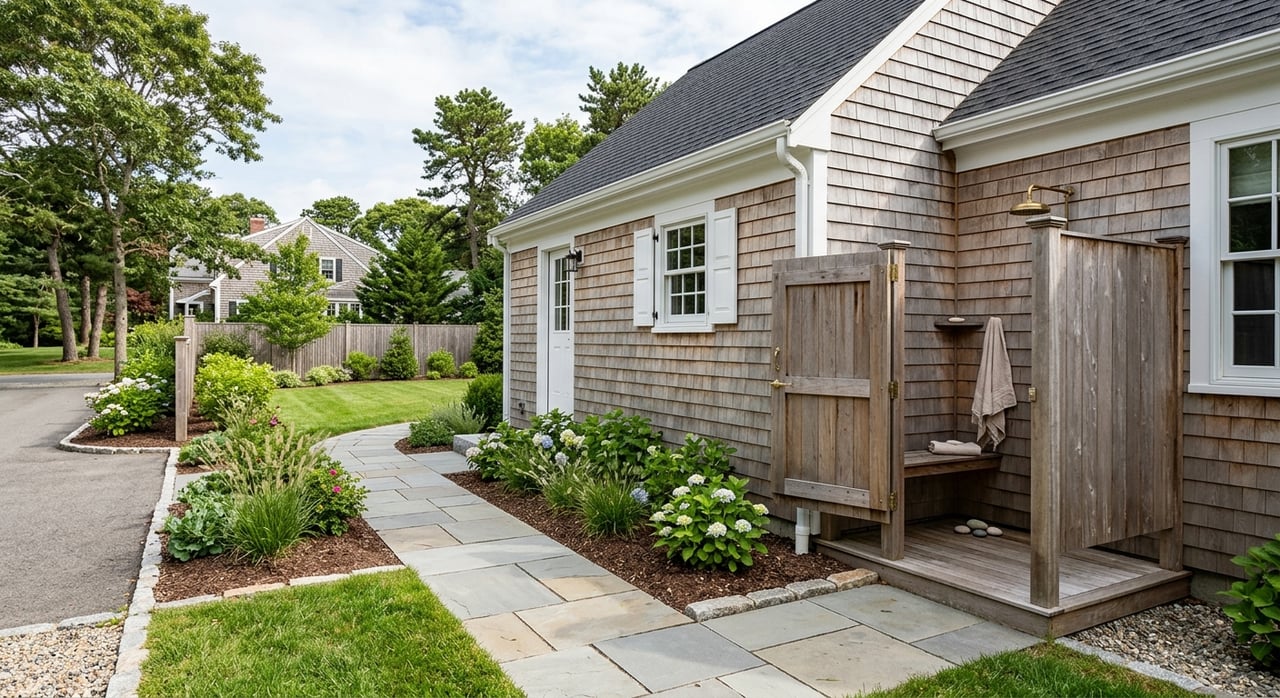
Bay sunsets or Atlantic surf. Quiet conservation trails or a walkable Main Street with dinner after the beach. If you are comparing Chatham, Harwich, Brewster, Orleans, and Dennis from your 02632 home base or as a first-time Lower Cape buyer, the choices can feel overwhelming. You want the right mix of shoreline, village feel, and price. This guide gives you a clear, buyer-friendly look at how these towns differ, plus practical tips on seasonality, septic and wastewater planning, short-term rentals, flood risk, and travel access. Let’s dive in.
Start from your 02632 vantage point
Your ZIP, 02632, is Centerville in the Town of Barnstable, and you sit a short drive from the Lower Cape’s elbow towns. In many visitor and planning materials, the “Lower Cape” commonly refers to Chatham, Harwich, Brewster, and Orleans, and many buyers also compare Dennis alongside them because it lives in the same lifestyle conversation. You can preview the region’s flavor on the chamber’s overview of the Lower Cape area. Living near Hyannis, the Cape’s transport hub, also gives you easy access to ferries, regional buses, and seasonal rail connections detailed by CapeFlyer’s transportation guide.
Quick compare at a glance
- Chatham: Polished, walkable, and harbor-centered with strong demand for seaside property. Median sale price signal around about $1.5M as of Jan 2026, with big swings by neighborhood and waterfront.
- Harwich: A cluster of villages. Harwich Port is lively near the harbor; inland villages offer broader price points. Recent snapshots show wide variation by village, with Harwich Port higher and inland areas lower.
- Brewster: Quieter bayside feel with conservation land and Nickerson State Park. Recent town median signals near the low-to-mid $600Ks as of early 2026, with bay-proximate areas trending higher.
- Orleans: A mix of ocean surf and calm bay beaches that attracts both surfers and sunset seekers. Median signals sit in the upper mid-range roughly in the high $800Ks as of Jan 2026, varying by village and water access.
- Dennis: A broad, centrally located town with many public bay and Sound beaches. Median signals around the mid $500Ks as of early 2026, with extensive seasonal and mid-market options.
Use these as directional guides. Final pricing always depends on micro-location, lot type, size and condition, and whether you are near the ocean, a harbor, or inland.
Town-by-town guide for homebuyers
Chatham: Prestige and walkability
Chatham delivers a classic postcard look with an active fish pier, boutiques, and a very walkable Main Street. The vibe is polished yet connected to its working harbor, and it hums in summer while maintaining year-round services. Preview the in-town rhythm with a local overview of things to do on Main Street and beyond.
Housing spans shingle-style cottages, historic captain’s homes, renovated beach houses, and larger waterfront estates. Pricing is among the highest in the area, with premiums for harbor views and ocean-facing parcels. For beach preferences, buyers choose between calm Nantucket Sound spots and Atlantic-oriented areas; you can scan beach types and access notes in a Chatham beaches summary.
Harwich: Village variety and Pleasant Bay
Harwich reads like many small towns in one. Harwich Port centers on marinas, galleries, and a compact commercial strip, while Harwich Center and other villages offer quieter, more residential settings. The shoreline features Pleasant Bay and several small harbors.
You will find seasonal cottages and mid-century ranches inland, plus higher-end harbor and bayfront homes in and near Harwich Port. Price and pace vary notably by village, which is why buyers compare by neighborhood rather than treating Harwich as one monolithic market.
Brewster: Bayside calm and conservation
Brewster leans green and quiet with historic homes and deep access to conservation lands. Nickerson State Park, kettle ponds, and the Old King’s Highway corridor shape daily life, with biking, walking, and gentle bay outings common.
Housing ranges from modest cottages and post-war ranches to larger historic homes and select bayfront properties. The famous Brewster Flats deliver vast low-tide sandbars and calm water that many buyers prioritize for easy beach days.
Orleans: Surf and sunsets in one town
Orleans acts as a gateway to the Outer Cape. On one side, you have the dramatic Atlantic surf at Nauset and Coast Guard beaches. On the other, Skaket and Rock Harbor provide calm Cape Cod Bay water and sweeping sunset views. Some beaches fall under National Seashore management, so review current seasonal fee details as part of your access planning.
Homes include village and harbor-area properties that command premiums, plus a mix of ocean-adjacent cottages and inland options. Many buyers pick Orleans because it offers surf energy and bayside relaxation in the same zip code.
Dennis: Many beaches, many villages
Dennis stretches from Nantucket Sound to Cape Cod Bay with numerous public beaches and small village centers. You get a wide spread of options, from cozy Cape cottages and ranches to renovated homes near beaches and town amenities.
South-facing Sound beaches tend to be warmer and more sheltered, while the bay side offers the long, walkable flats and sunset views that define the northern shoreline. The result is broad appeal and a range of price points.
What really drives your decision
Price and inventory reality
The biggest factor is micro-location. Waterfront vs inland, harbor proximity, and village setting typically drive price more than any townwide average. Treat public medians as general signposts, then zero in by village or neighborhood and verify current conditions with a local MLS search and on-the-ground agent input.
Seasonality and services
The Lower Cape has a pronounced summer peak. Restaurants, galleries, and visitor activity surge in warm months, then quiet down. Local planning data highlights how employment and activity jump in July compared to winter periods, a useful lens if you plan to be here year-round. Review the Cape Cod Commission’s snapshot of Lower and Outer Cape seasonal trends to set expectations about pace and services.
Wastewater, septic, and future costs
Most homes rely on on-site septic systems, and towns are advancing watershed-based plans to reduce nitrogen in bays and estuaries. When you evaluate a property, determine if it is on septic or in a current or proposed sewer district, and ask about any future assessments or system upgrades. The Cape’s 208 Plan materials outline the framework communities are using; skim the Commission’s Section 208 planning update to understand why this matters for homeowners.
Short-term rentals and local rules
Short-term rental rules vary by town. Some require registration and inspections and collect a state lodging tax plus local excise and a regional water-protection surtax. Orleans, for example, has a formal registration system and has discussed fees. If rental income is part of your plan, review a local overview of Lower Cape short-term rental regulations and confirm the latest requirements with the town.
Flood risk, setbacks, and insurance
For coastal and near-water properties, check FEMA flood maps, local wetlands bylaws, and insurance implications before you offer. Many Lower Cape towns apply additional local protections beyond state and federal rules, and these can affect renovations and rebuilds. Start with the state’s overview of coastal permitting in Massachusetts, then consult town conservation offices and your insurer.
Travel and access from Hyannis
Hyannis is the Cape’s transportation hub. If you commute seasonally or have frequent off-Cape travel plans, weigh proximity to airport, bus, and ferry connections. The CapeFlyer transportation guide is a handy snapshot of regional options and routes.
How to choose the right town
Use this quick, practical checklist to narrow your search by lifestyle and logistics:
- Pick your shoreline first. Do you want Atlantic surf access, calm bay water, or Nantucket Sound beaches? Choose a primary and a secondary option.
- Decide on pace. Do you prefer a walkable village center in summer or a quieter, conservation-oriented setting?
- Set a price band with flexibility. Use recent medians as a guide and prepare for neighborhood-level differences.
- Map your must-haves. Parking requirements for beaches, mooring or marina access, trail proximity, or a specific commute pattern.
- Confirm the practicals early. Septic vs sewer, flood zone, and any local STR registration if rentals are in your plan.
- Tour across town lines. Visit the same time of day you plan to live or visit, and walk a few streets off the main beach approach to feel the real flow.
If you want a curated short list that matches your beach style, price, and timeline, reach out for local guidance and current listings. You can explore options and set up tours with Cindy Harrington.
FAQs
What is considered the “Lower Cape” for buyers?
- Planning and visitor guides commonly include Chatham, Harwich, Brewster, and Orleans, and many buyers compare Dennis alongside them. See the chamber’s Lower Cape overview for context.
How do Chatham and Orleans differ for beach access?
- Chatham offers calm Nantucket Sound beaches and access to Atlantic-facing areas, while Orleans combines dramatic Atlantic surf at Nauset with calm bay beaches at Skaket and Rock Harbor. Some Orleans beaches carry National Seashore fees in season.
Are these towns very busy year-round?
- Summer is the peak across the Lower Cape. The Cape Cod Commission highlights a strong seasonal swing in activity and employment on the Lower and Outer Cape.
What should I know about septic and future sewer plans?
- Most homes use on-site septic. Towns are advancing watershed-based wastewater projects that can affect future costs. Review the Commission’s Section 208 planning update, then verify details with the town.
How do short-term rental rules work on the Lower Cape?
- Rules vary by town and can include registration, inspection, and taxes. A regional primer on short-term rental regulations is a good starting point. Always confirm the current local requirements.
How can I check flood zones and permitting near the coast?
- Start with FEMA maps and your insurer for quotes, then review local wetlands bylaws. The state’s coastal permitting guide explains the regulatory layers you should expect.