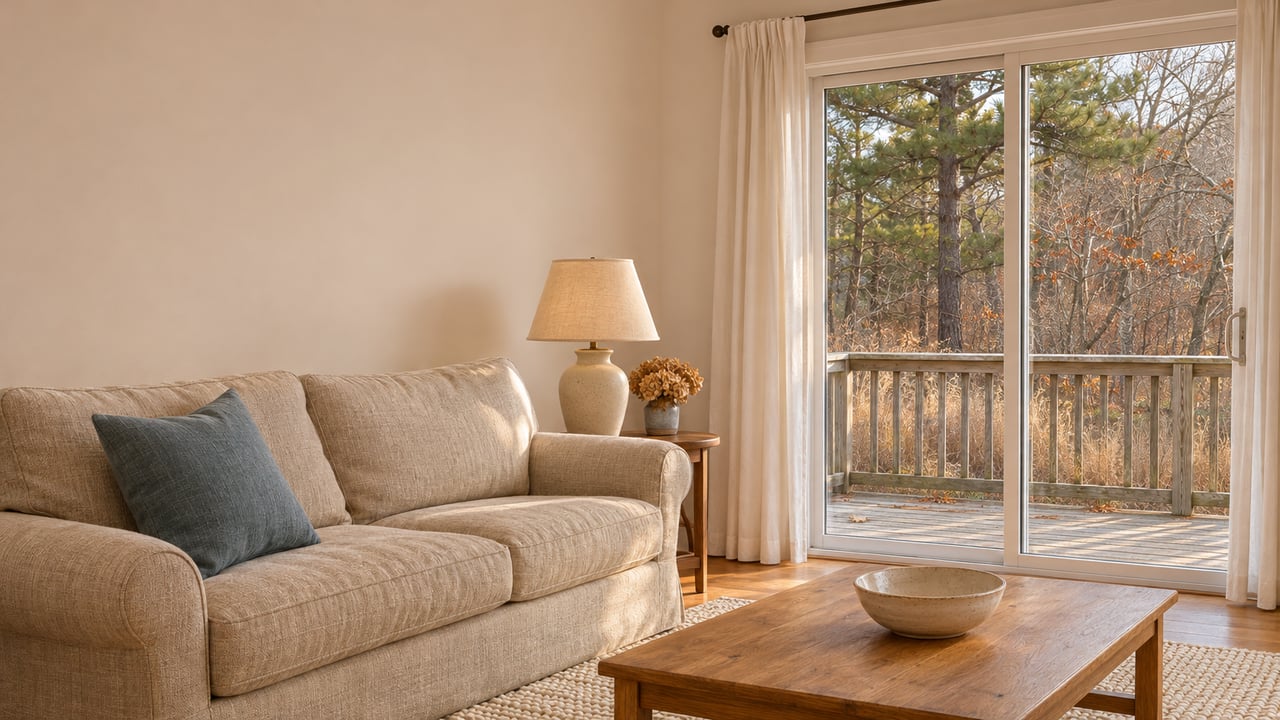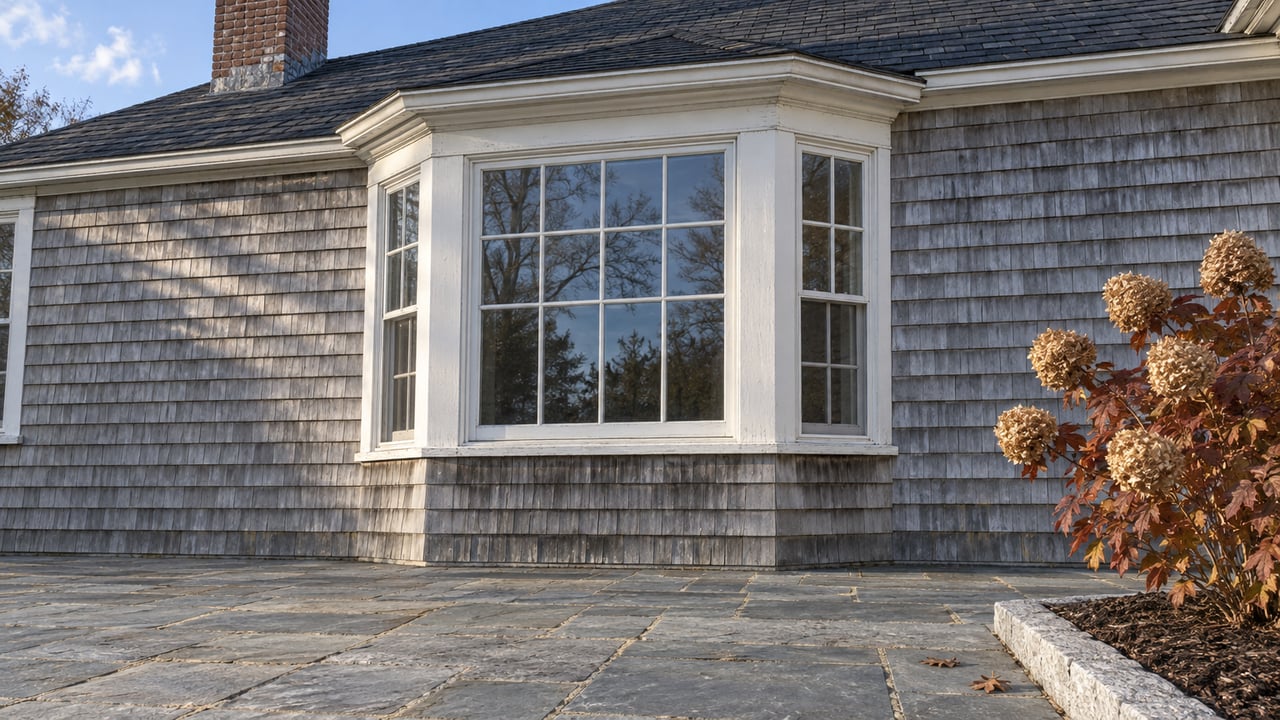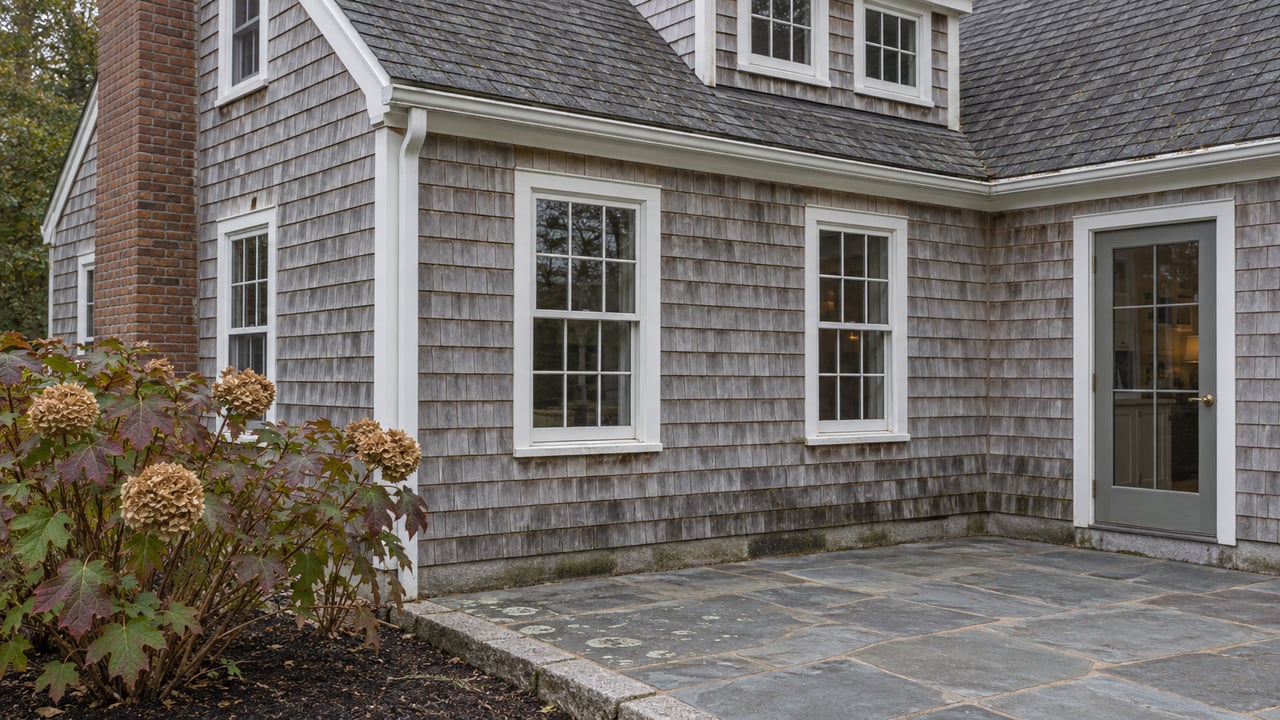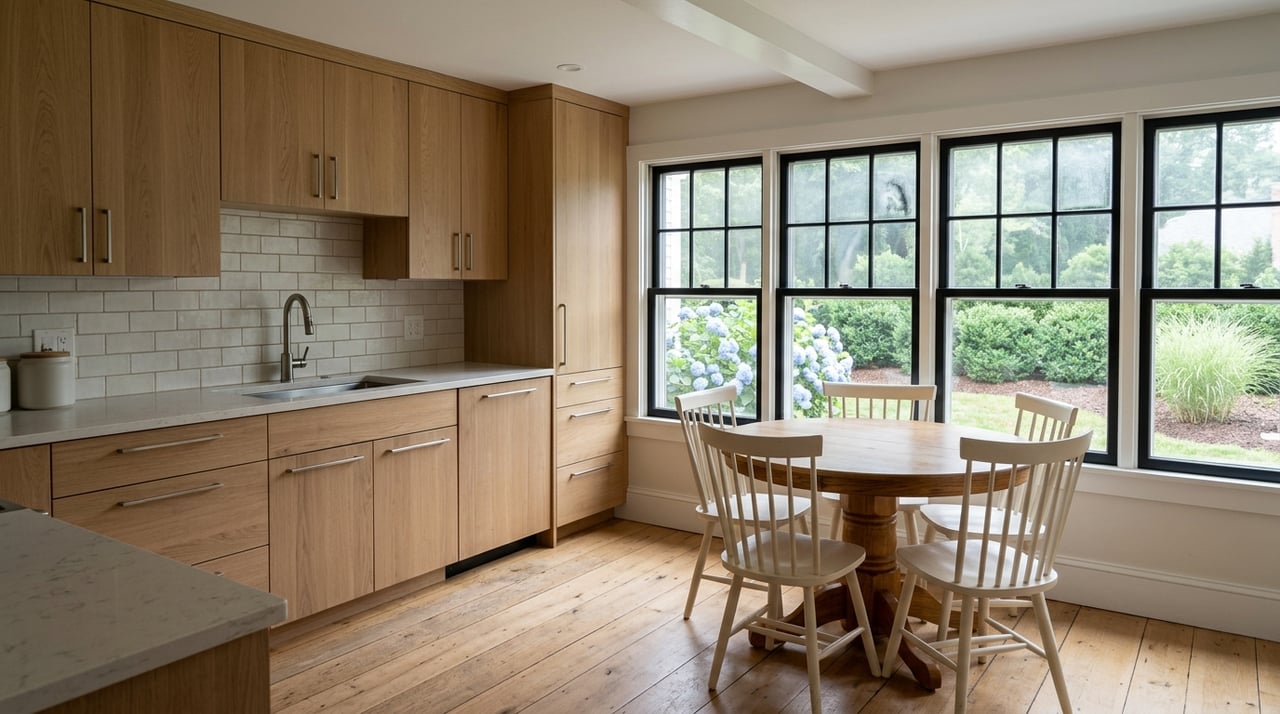
Wondering whether to buy a move-in-ready home or take on a fixer in Barnstable? On Cape Cod, that choice can shape not just your budget, but your timeline, stress level, and long-term plans for how you want to use the property. If you are weighing lifestyle, costs, and renovation risk in the 02632 area, this guide will help you sort through the tradeoffs with a local lens. Let’s dive in.
Barnstable Market Reality
Barnstable remains a competitive market where the right home can be hard to find. The Barnstable County Registry of Deeds reported a February 2026 median sale price of $635,000, and the Cape Cod and Islands Association of REALTORS® reported a March 2026 median single-family sale price of $770,000, with 2.1 months of inventory and a median 69 days on market.
That matters because limited inventory can make both renovated homes and fixers attractive for different reasons. A turnkey home may help you move faster and avoid immediate project work, while a fixer may open the door to neighborhoods or price points that feel out of reach in fully updated condition.
Barnstable’s housing stock is also older than many buyers expect. According to the town’s 2025 housing plan, most homes were built between 1960 and 1999, which helps explain why renovation questions come up so often in local home searches.
Renovated Homes: Why Buyers Choose Them
A renovated home often appeals to buyers who want more predictability. If you are buying a primary home, a second home, or a seasonal retreat, a finished property can reduce the chance that you spend your first months dealing with permits, inspections, and contractor scheduling.
In Barnstable, that convenience has real value. The town’s Building Division oversees construction permits, zoning enforcement, site plan review, and code-related work for electrical, gas, and plumbing, and the town notes that a permit shown as completed is not always fully signed off.
That means an updated home still deserves careful review. “Renovated” can describe anything from cosmetic improvements to major systems work, so you want to confirm what was done, whether permits were involved, and whether final sign-off was completed where required.
Best fit for renovated homes
A renovated home may be the better fit if you:
- Want a simpler purchase and move-in process
- Prefer clearer upfront costs
- Are buying from out of town and want fewer moving parts
- Plan to use the home right away for seasonal living or year-round occupancy
- Do not want to manage contractors soon after closing
Fixer-Uppers: Why They Still Make Sense
A fixer can be a smart option when you want to buy below the top of the market or create value over time. In a high-priced market like Barnstable, that opportunity can be meaningful, especially if you are open to phased improvements rather than a fully finished home on day one.
A project home can also give you more control over the final result. Instead of paying for someone else’s design choices, you can shape the house around how you actually plan to live on the Cape, whether that means easier indoor-outdoor flow, a refreshed kitchen, or improvements that support seasonal or year-round use.
Still, the upside depends on your tolerance for uncertainty. On Cape Cod, hidden costs are often tied less to finishes and more to site conditions and local rules, especially septic, groundwater, floodplain, and wetlands issues.
Best fit for fixer homes
A fixer may be the better fit if you:
- Want to stretch your purchase budget
- Can handle repair and project contingency costs
- Are comfortable with a longer timeline
- Want to personalize the home over time
- Understand that site and regulatory issues may shape the scope
The Biggest Budget Risks in Barnstable
On Cape Cod, renovation costs can change quickly once you look beyond the walls. In Barnstable, some of the most important issues are tied to the land itself and to what local rules allow.
Septic and Title 5
Septic is one of the first items to review when you are considering a fixer. MassDEP says homeowners should inspect septic systems when buying or selling, pump them at least every three years, and begin new construction or upgrade discussions with the local Board of Health and building department.
If a home needs septic work, that can affect both budget and timing. It can also shape what future improvements are practical, which makes septic status important even if your renovation plans seem mostly cosmetic at first.
Wetlands and coastal setbacks
Barnstable’s Conservation Commission regulates a 100-foot buffer zone. The town zoning ordinance also includes setbacks of 35 feet from wetlands and 50 feet from mean high water in coastal areas and inland great ponds.
For buyers, this means shoreline or water-influenced properties may come with tighter limits on additions, site work, or other changes. A house that looks like an easy expansion project on paper may have a very different path once conservation and zoning rules are reviewed.
Floodplain exposure
Barnstable has participated in the National Flood Insurance Program since 1978. If a property is in or near a flood-prone area, planned updates may require extra review, added cost, or different construction approaches.
This does not automatically make a property a bad choice. It does mean you should understand the implications early, especially if you are comparing a renovated waterfront home with a lower-priced fixer nearby.
Groundwater conditions
The Cape Cod Commission says seasonal high groundwater levels are critical information for septic installers, engineers, and underground utilities. That can influence below-grade work and site improvements, and it is one reason some projects take longer than buyers first expect.
If your wish list includes finished lower-level space, expanded utility work, or major site changes, groundwater conditions deserve attention from the start. They may affect both feasibility and cost.
Timing Matters More on Cape Cod
Many buyers assume a fixer can be updated quickly in the off-season. In reality, Cape Cod’s seasonal housing patterns and labor pressures can make scheduling less predictable than expected.
Massachusetts reports that one in ten Cape homes is a short-term rental and another 25% are used seasonally or occasionally. The Cape Cod Commission also notes that housing for seasonal workers is scarce and businesses struggle to hire during the busy summer season, which is one reason buyers should build extra time into renovation plans.
If you are purchasing a second home and hoping to enjoy it by a certain season, a move-in-ready property may offer more certainty. If you choose a fixer, it helps to treat your timeline as flexible rather than fixed.
Financing Options for a Fixer
For some buyers, the gap between “love the location” and “can afford the updates” comes down to financing. Two renovation-friendly options cited in the research are FHA 203(k) and Fannie Mae HomeStyle Renovation loans, both designed to help finance a purchase and improvements together.
These programs can make a fixer more realistic, especially if you want to address needed work early instead of paying separately for repairs after closing. The right fit depends on your finances and the property itself, but renovation financing can be a practical bridge between an older home and a more functional one.
How Intended Use Changes the Decision
On Cape Cod, your intended use matters almost as much as the house itself. A home you plan to use as a primary residence, second home, or rental may call for a different level of renovation tolerance.
If you want a property for immediate seasonal use, a renovated home may be worth the premium because it lets you start enjoying the Cape sooner. If you are thinking longer term and can absorb project complexity, a fixer may offer stronger value if the location and site conditions support your plans.
The region’s seasonal-use pattern also affects value-add thinking. The Cape Cod Commission notes that accessory dwelling units are especially relevant on Cape Cod and that zoning often limits single-family-to-multifamily conversions by right, so future use and wastewater capacity may matter as much as interior finishes.
Questions To Ask Before You Choose
Whether you are leaning renovated or fixer, a few questions can help you make a smarter comparison:
- What permits were pulled, and were they fully signed off?
- What is the septic status, and will it support your intended use?
- Is the property near wetlands, coastal setbacks, or flood-prone areas?
- Are you comfortable with the likely timeline for contractors and approvals?
- Will your financing support both the purchase and the work?
- Do you want immediate enjoyment, or are you willing to trade time for future upside?
These questions may sound practical, but they are really about lifestyle too. On the Cape, the right choice is not always the prettiest house. It is the home that matches your timeline, comfort with uncertainty, and plans for how you want to live here.
The Smarter Cape Cod Choice
There is no one-size-fits-all answer in Barnstable. A renovated home can buy you ease, speed, and fewer surprises, while a fixer can offer flexibility, value potential, and a chance to create something more personal.
The key is knowing what kind of project you are really taking on. In this market, that means looking past finishes and focusing on permits, septic, site conditions, and how the property fits your goals for Cape living.
If you want a thoughtful local perspective on Barnstable and the Lower Cape, Cindy Harrington can help you compare opportunities with clear guidance and a practical eye toward both lifestyle and long-term value.
FAQs
Should you buy a renovated home in Barnstable if you want a second home right away?
- A renovated home is often the easier choice if you want to start using the property soon and avoid immediate permit, contractor, or septic-related project work.
What should you check before buying a fixer in Barnstable?
- Focus on septic status, permit history, final sign-off, wetlands or flood-related constraints, financing options, and whether the timeline fits your plans.
Why do septic issues matter so much for Cape Cod homes?
- Septic systems can affect renovation scope, cost, timing, and future use, and MassDEP says buyers and sellers should inspect systems and coordinate upgrade discussions with local officials.
Can wetlands rules affect a Barnstable renovation project?
- Yes. Barnstable regulates a 100-foot buffer zone, and local setback rules near wetlands and coastal water can limit additions, site work, and other planned changes.
Are Barnstable homes older than many buyers expect?
- Yes. Barnstable’s 2025 housing plan says most housing units were built between 1960 and 1999, which is one reason renovation questions are common in the local market.
Are there loan options for buying and renovating a fixer?
- Yes. The research report notes FHA 203(k) and Fannie Mae HomeStyle Renovation loans as options that can help buyers finance both the purchase and rehabilitation work.