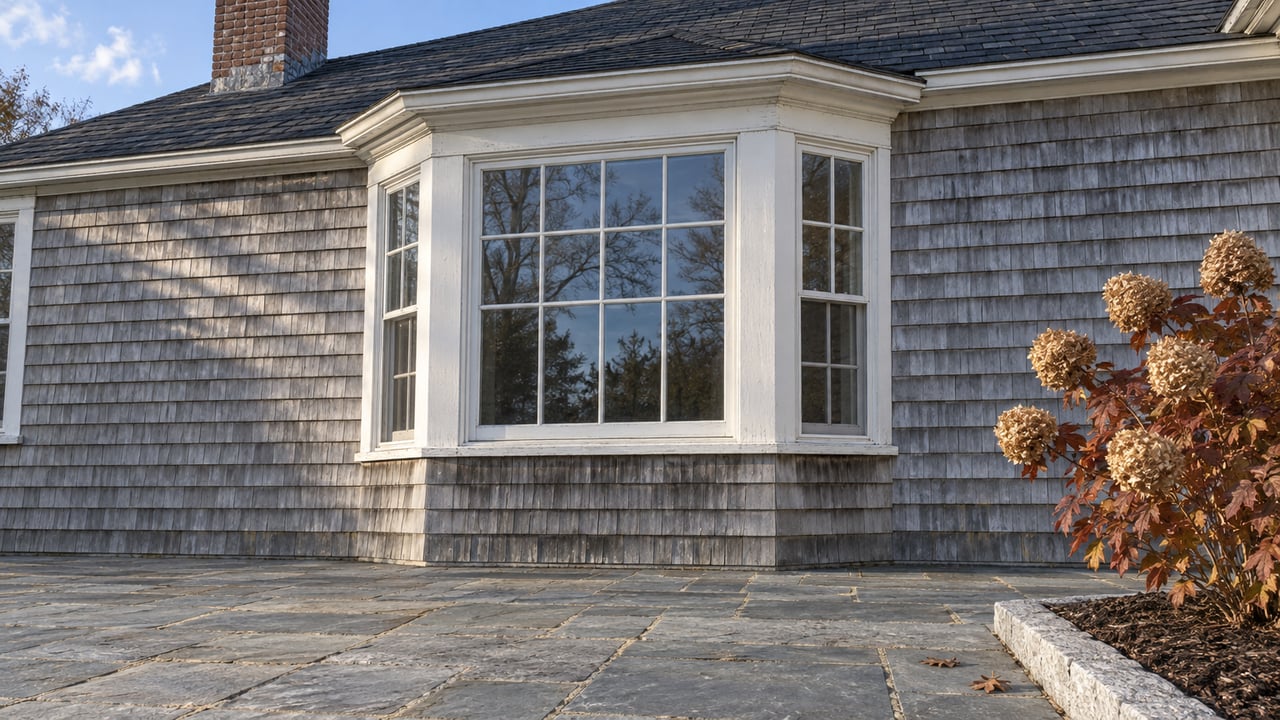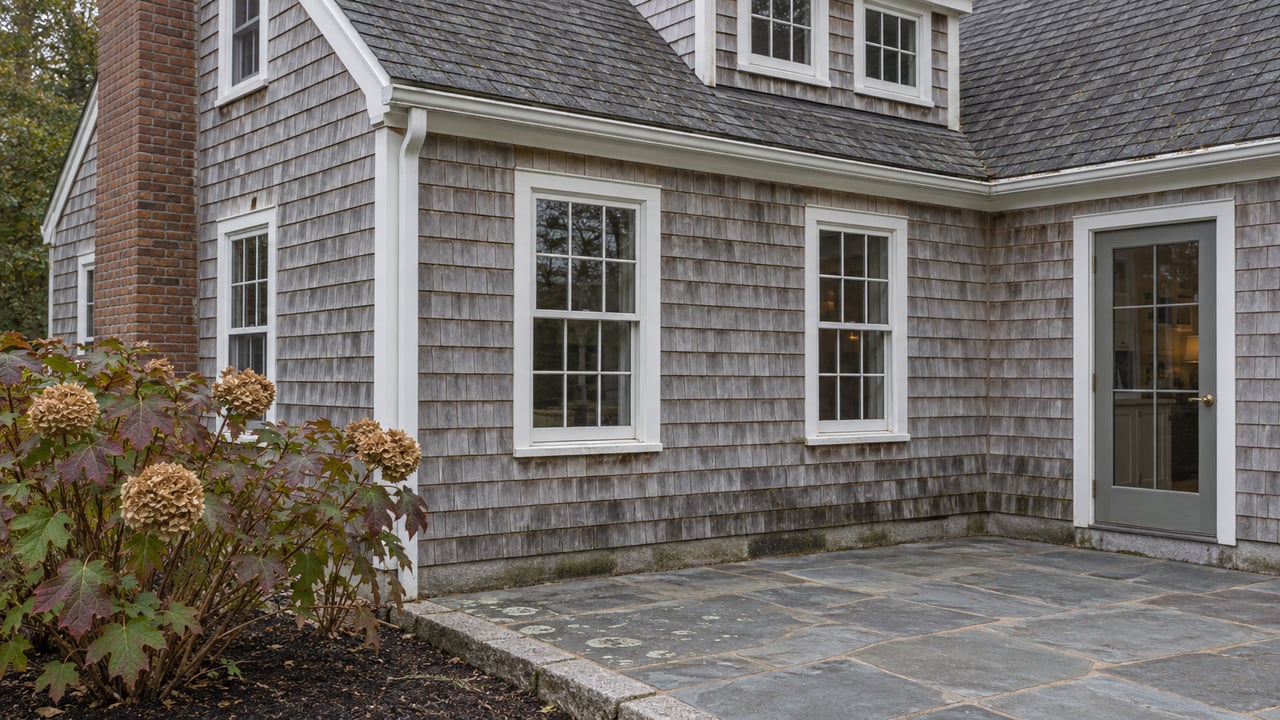
Buying a home on Cape Cod from out of town can feel like a leap of faith, especially when the right property may move fast. If you are juggling distance, timing, and a competitive market, you need more than listing alerts. You need a process that helps you narrow choices, verify details, and move forward with confidence. Let’s dive in.
Why Remote Buyers Need a Clear Plan
Cape Cod remains a market where preparation matters. In March 2026, the Cape Cod and Islands Association of REALTORS reported 464 single-family homes for sale, a 2.1-month supply, a median single-family sales price of $770,000, and 69 final days on market. Barnstable County Registry reporting for April 2026 showed a county-wide median sale price of $680,000 based on deeds above $50,000.
For you as an out-of-town buyer, that means the best opportunities may not sit for long. A remote purchase is absolutely workable, but it tends to go best when you are organized, responsive, and supported by local professionals who can help you move from interest to due diligence without losing momentum.
Start With a Smarter Search
When you are not driving from open house to open house, your first goal is to screen homes efficiently. That usually means leaning on detailed listing information, virtual tours, and video walkthroughs to separate homes that are simply appealing online from homes that truly fit your goals.
This is where local guidance becomes especially valuable. On Cape Cod, choosing the right home often also means choosing the right town, road, setting, and access pattern for the way you plan to live here, whether that means seasonal use, year-round living, or investment goals.
Focus on Lifestyle and Logistics
Before you tour anything virtually, get clear on your non-negotiables. Price matters, of course, but so do commute patterns, distance to the water, lot size, renovation tolerance, and whether you want a cottage feel, newer construction, or land for a future build.
A strong remote search gets more useful when you sort homes into practical categories like these:
- Must-see now
- Worth a second virtual look
- Good location, but questions remain
- Not a fit
That simple filter helps you avoid decision fatigue and keeps your attention on homes that deserve deeper review.
Use Public Records Early
One of the biggest advantages of a remote search in Massachusetts is that you can review important property information before you travel. Massachusetts notes that property owners can access their deed online and can also review the property record card used to generate the tax bill through local assessors.
The Barnstable County Registry of Deeds also offers free public search and online image access for documents, instruments, and plans. That gives you a way to begin checking the paper trail from out of state while you decide whether a property is worth pursuing.
What You Can Review Remotely
Early record review can help you spot questions sooner rather than later. Depending on the property, useful documents may include:
- Deeds
- Mortgages
- Recorded plans
- Property record cards
These records can help confirm basic facts, but they are only part of the picture. The Barnstable County Registry of Deeds warns that its address-based search is not an official index and should not be relied on to determine whether a document has been recorded.
Why Title Review Still Matters
Public access is helpful, but it is not a substitute for formal title work. The registry specifically recommends using an attorney or experienced title examiner for an effective title examination.
That matters even more when you are buying remotely. If you cannot be on site often, you want your document review and title verification handled carefully and early so there are fewer surprises as you get closer to closing.
Build a Remote-Buying Workflow That Works
The smoothest long-distance purchases usually follow a clear sequence. Instead of trying to do everything at once, it helps to move in stages and make each stage answer a specific question.
A practical Cape Cod remote-buying workflow often looks like this:
- Use listing details, virtual tours, and video walkthroughs for initial screening.
- Narrow your options quickly to the homes that best fit your goals.
- Review available documents and public records.
- Line up title verification and inspection planning.
- Schedule one strategic in-person visit, if possible.
- Confirm closing logistics and final walkthrough details.
This approach is especially useful in a market with limited inventory. It gives you enough structure to act quickly without skipping the key checks that protect you.
Pay Close Attention to Septic
Cape Cod buyers should treat septic due diligence as a major part of the purchase, not a side item. Barnstable County’s Title 5 factsheet says more than 85% of Cape homes use septic systems.
That number alone explains why septic comes up so often in Cape Cod transactions. It is not just a maintenance topic. It can affect your budget, your planning, and the practical realities of ownership.
What Title 5 Means for Buyers
Massachusetts DEP guidance says buyers and sellers should have septic systems inspected, and state guidance on Title 5 says systems must be inspected at the time of transfer of title. The inspector determines whether the system passes or fails based on conditions as of the inspection date.
If you are buying from out of town, make sure you understand the system type, the inspection status, and any next-step obligations before you are too far down the road. This is one of the clearest examples of why local transaction guidance matters on the Cape.
Ask About Alternative Systems
Barnstable County notes that innovative or alternative septic systems are designed to do more than a standard septic tank and leach field. It also states that these systems require regular maintenance and, in Massachusetts, a maintenance contract for operation.
That does not make them a bad option. It simply means you should understand the operating requirements and ongoing costs so you know what ownership will involve after closing.
Look Beyond the House Itself
A beautiful home tour can make it easy to focus on finishes, views, and room layout. On Cape Cod, you also want to look closely at the systems and site conditions that can shape long-term value and ownership costs.
For many remote buyers, this is the part of the process that deserves the most discipline. The property itself is only one piece of the decision.
Review Flood and Coastal Risk
The Cape Cod Commission states that Cape Cod is vulnerable to erosion, storm flooding, and sea-level rise. For flood hazard research, FEMA’s Flood Map Service Center is the official place to review flood maps, and the Cape Cod Commission’s Sea Level Rise Viewer combines FEMA flood maps, surge layers, and road-vulnerability information.
If a home is near the coast, in a low-lying area, or accessed by vulnerable roads, that can affect financing, insurance, and your comfort with long-term ownership. These are smart questions to review early, especially when you cannot evaluate the setting in person as often as a local buyer might.
Include Water and Site Questions
On the Cape, due diligence is not only about square footage and condition. Septic, water, drainage, access, and broader site characteristics can all shape how the property functions over time.
That is why a remote purchase works best when your team helps you evaluate the whole property, not just the listing photos. A careful review now can save you from expensive surprises later.
Can You Close From Afar?
Many out-of-town buyers assume a fully online closing is standard everywhere. In Massachusetts, you should not make that assumption.
Massachusetts law authorizes remote online notarization, but the Secretary of the Commonwealth says the notification form and full implementation process are still being developed and that notaries should not use online remote platforms yet. In practical terms, closing logistics still need careful planning.
Coordinate Documents Early
The Barnstable County Registry of Deeds says it records documents that meet legal requirements, but it cannot prepare a deed or do a title search for you. It can provide recorded copies by web or mail.
That means your closing team needs to be lined up early. If you are buying remotely, you want enough time to coordinate signatures, document delivery, and any in-person notarization requirements that may still apply.
Protect Yourself From Wire Fraud
Remote transactions create convenience, but they also create opportunity for scammers. The FTC says wiring money is like sending cash and is hard to reverse. The FBI’s Boston office has also warned about real estate and rental scams involving fake emails, overpayment schemes, and pressure to wire funds.
The safest mindset is simple: slow down when money is moving. Convenience should never replace verification.
Practical Wire Safety Tips
Keep these habits front and center during a remote purchase:
- Verify wire instructions through a trusted phone number you already know
- Be cautious with last-minute email changes
- Question pressure tactics or urgent requests
- Confirm who is sending each instruction before acting
A calm, verified process is one of the best protections you have.
One Trip Can Make a Big Difference
Many out-of-town buyers can purchase Cape Cod property without making multiple trips. In many cases, one well-timed visit is enough to confirm feel, setting, road access, and details that are harder to judge on screen.
If you can make that trip, try to schedule it after you have narrowed your choices and reviewed the key documents. That way, your time on Cape Cod is focused on decision-making, not basic screening.
Local Support Makes Remote Buying Easier
Remote homebuying works best when the process feels organized, not rushed. On Cape Cod, that usually means combining virtual tools with local insight, careful document review, septic and flood due diligence, and a closing plan that fits Massachusetts practice.
If you are buying from out of town, the goal is not just to get to the closing table. It is to arrive there feeling clear about the home, the location, and the responsibilities that come with ownership on the Cape. When you have the right local support, that process becomes much more manageable.
If you are ready to start your Cape search from wherever you are, Cindy Harrington can help you build a smart, grounded plan for buying on the Lower Cape.
FAQs
Can I buy a Cape Cod home without several in-person visits?
- Yes. A remote purchase can work well if you use virtual tours and video walkthroughs to narrow options, then complete title, inspection, septic, and flood due diligence before moving forward.
What property records can I review from out of state for a Cape Cod home?
- You may be able to review deeds, mortgages, recorded plans, and property record cards online through Massachusetts and Barnstable County public record resources.
How important is a septic inspection when buying on Cape Cod?
- It is very important. Barnstable County says more than 85% of Cape homes use septic systems, and Massachusetts guidance says Title 5 inspections are required at the time of transfer of title.
Can a Cape Cod closing be completed entirely online?
- You should not assume that. Massachusetts says remote online notarization is authorized, but the implementation process is still being developed and notaries should not use online remote platforms yet.
Why should remote buyers check flood information for Cape Cod property?
- Flood and coastal risk can affect financing, insurance, access, and long-term ownership costs, so reviewing flood maps and local coastal risk information is an important part of due diligence.