Are you trying to catch the eye of buyers who live hours away from Cape Cod? If so, your home needs to do more than look good in person. It needs to feel inviting, easy to understand, and worth the trip from the very first online impression. When you market a Barnstable or Centerville home to out-of-town buyers, the goal is to help them picture both the property and the lifestyle. Let’s dive in.
Why out-of-town buyers matter on Cape Cod
Cape Cod has long attracted a mix of year-round residents, second-home buyers, and retirement buyers. In Barnstable and across the region, that matters because a large share of housing is used seasonally, recreationally, or occasionally. The Cape Cod Commission has reported that roughly 36% of regional housing units fall into that category.
That seasonal demand shapes how buyers shop. Many are comparing Cape Cod homes with options in Greater Boston, the broader Northeast, or other coastal and resort areas. A Cape home in 02632 is not just competing with nearby listings. It may also be competing with homes that offer a different kind of weekend or vacation lifestyle.
Boston is an especially important feeder market. A Cape Cod Commission second-homeowner survey found that Middlesex, Norfolk, and Suffolk counties made up about a third of in-state respondents. That means your marketing should speak clearly to buyers who may know the Cape well, or may still be learning how Barnstable and Centerville fit into their search.
Start with a strong digital first impression
Out-of-town buyers almost always begin online. National buyer research shows that more than 90% of buyers use online tools in the search process, and 52% found the home they purchased online. Just as important, 85% said photos were the most important factor in deciding which homes to view.
That makes your first impression critical. If your listing photos, description, and media package do not quickly answer a buyer’s questions, they may move on before they ever schedule a showing. For remote buyers, the online listing is often the first showing.
A strong launch should include:
- Professional photography
- A floor plan
- A 3D tour or virtual tour
- Accurate, detailed listing copy
- Broad exposure beyond the MLS through a full marketing rollout
This kind of presentation fits what sellers say they want most from an agent. According to NAR’s 2025 profile, sellers most want help marketing the home, pricing it competitively, and selling within a specific timeframe.
Lead with photos that tell the story
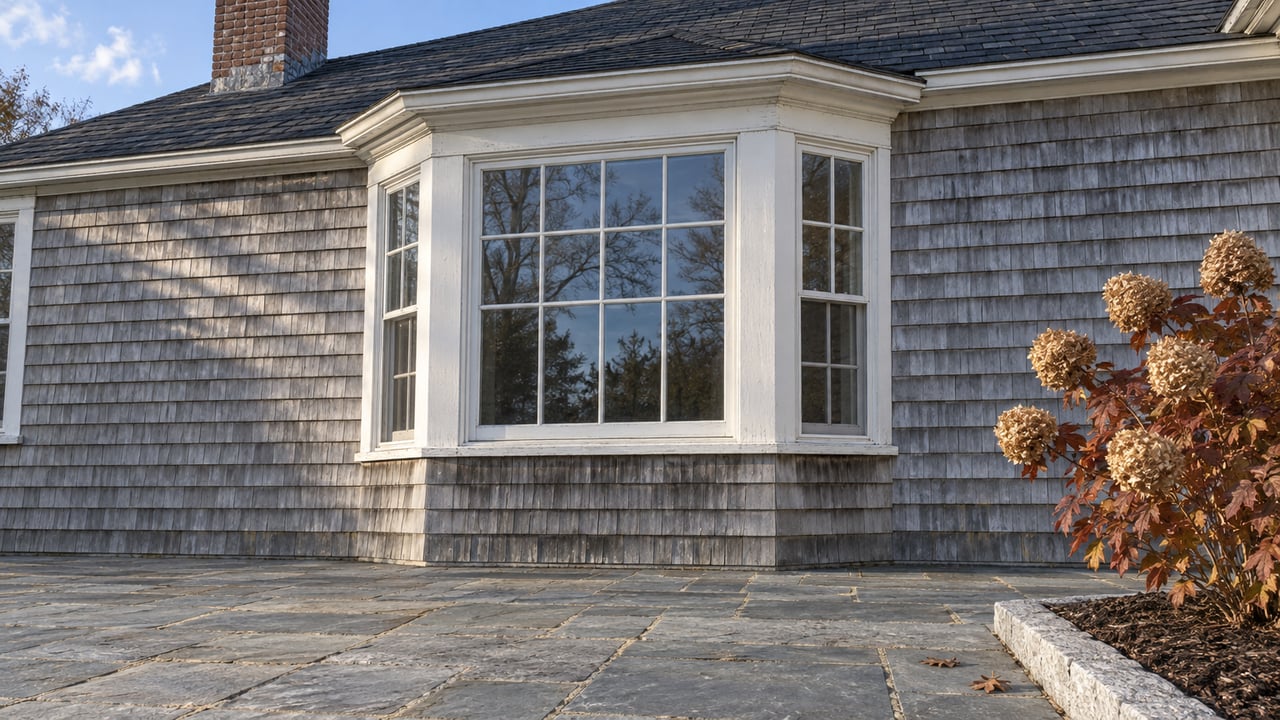
Photos are the core of your listing strategy. They should be bright, clean, and natural-looking, with strong composition and minimal clutter. Over-editing can backfire because buyers may feel misled when they arrive in person.
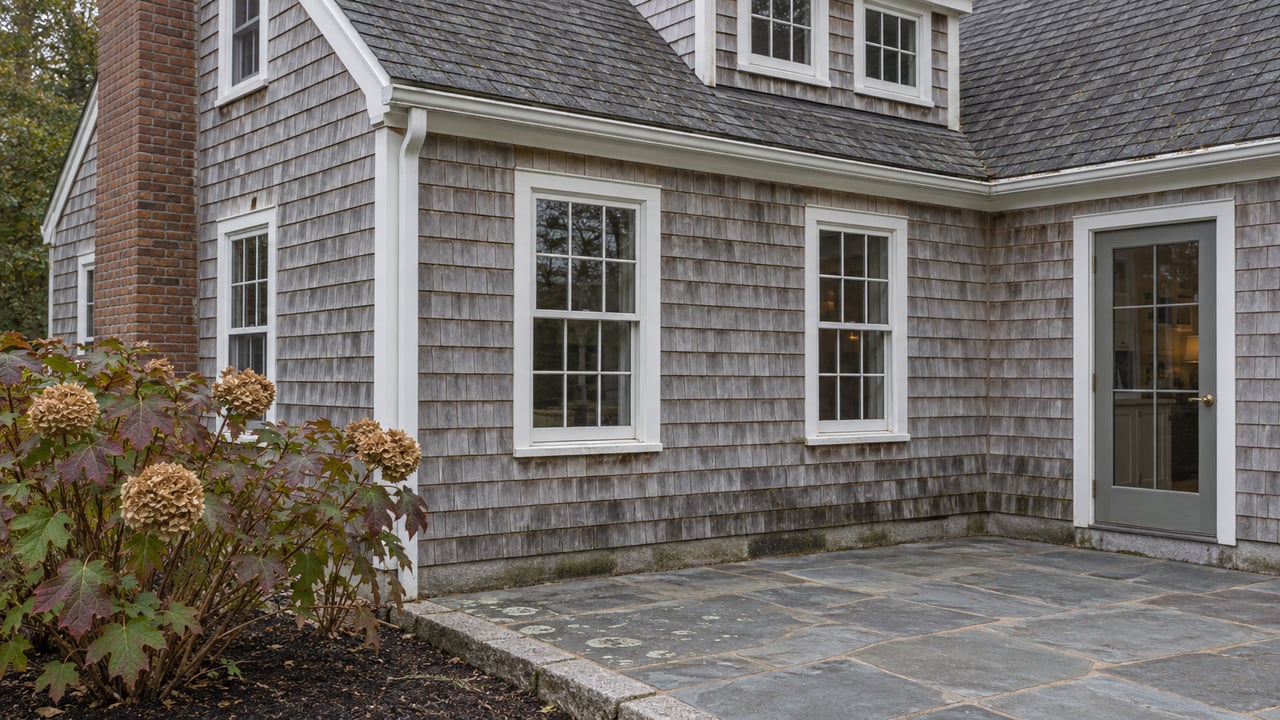
For a Cape Cod property, the photo sequence matters as much as the quality. If your home has a deck, patio, porch, or usable yard, those features should appear early in the gallery. Buyer research shows that 70% value private outdoor space, so outdoor living should not be treated like an extra.
Your lead image should make a buyer pause. Depending on the property, that could be:
- A welcoming front exterior
- A light-filled living room
- A kitchen with strong appeal
- A deck or patio that shows how the home lives outdoors
The right choice depends on what makes your home memorable. The goal is to help an out-of-town buyer understand the home’s personality in seconds.
Stage the rooms buyers notice most
Staging helps buyers picture themselves in the home, which is especially important when they are viewing it from afar. NAR’s 2025 staging report found that buyers’ agents viewed photos, physical staging, videos, and virtual tours as important listing assets.
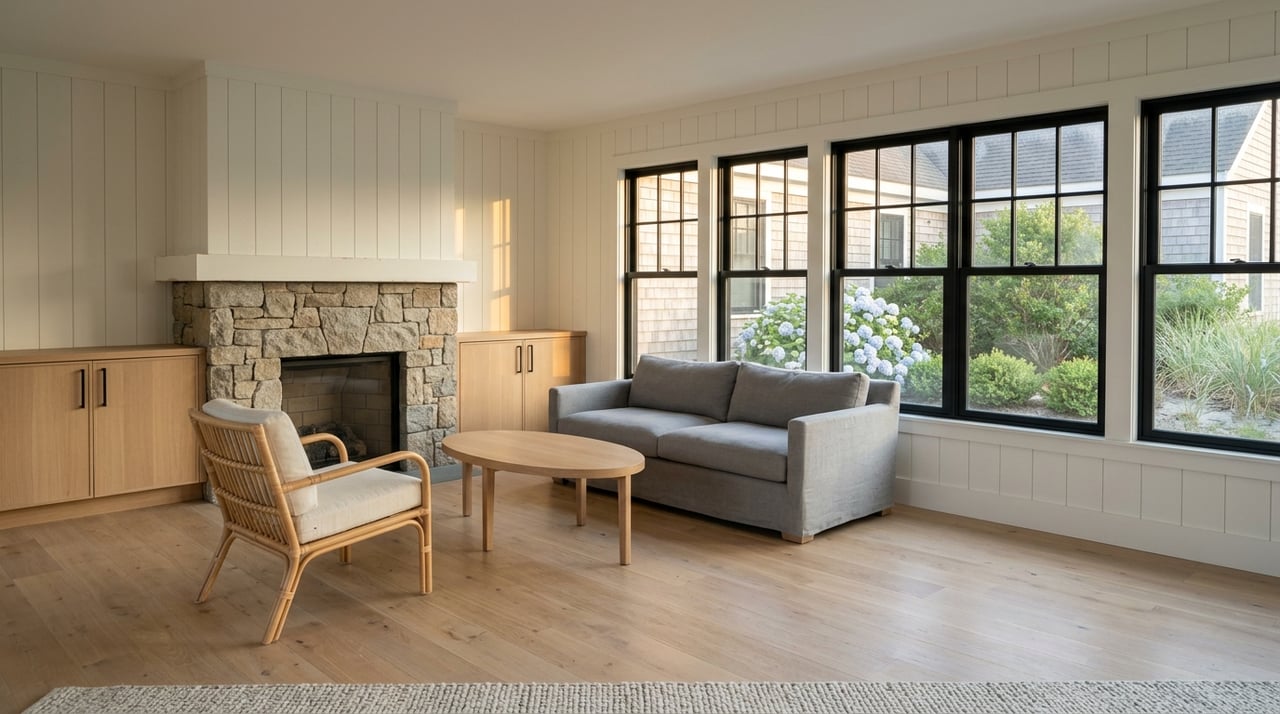
The same report found that the most important rooms to stage were the living room, primary bedroom, and kitchen. Those spaces often shape a buyer’s emotional reaction to a home, and they also help buyers judge layout, comfort, and everyday function.
In practice, staging for out-of-town buyers should focus on:
- Living room: clean seating layout, open circulation, and a sense of scale
- Primary bedroom: calm, uncluttered presentation with room to move
- Kitchen: clear counters, good light, and visible workspace
- Dining area: simple setup that suggests easy gathering
Staging does not need to feel formal or overdone. On the Cape, a relaxed, polished look usually works best. You want the home to feel comfortable, well cared for, and easy to step into.
Add a floor plan and virtual tour
Remote buyers need help understanding how a home actually works. Photos can create interest, but they do not always answer practical questions about room flow, size, or layout. That is where a floor plan and virtual tour become especially valuable.
Zillow’s 2024 buyer research found that 86% of buyers are more likely to view a home with a floor plan they like. The same research found that 70% said 3D tours help them understand the space better than static photos.
That does not mean buyers are comfortable buying sight unseen. In fact, only 4% made a completely unseen offer. Even after a virtual tour, only 49% felt at least somewhat confident making an unseen offer. So these tools should not replace in-person visits. They should help serious buyers narrow the field and decide your home is worth seeing.
Write listing copy for daily life
Good listing copy should do more than repeat the number of bedrooms and baths. Out-of-town buyers want to know what daily life would feel like. They are trying to picture weekends, summer stays, remote work stretches, or even a future year-round move.
That is where local storytelling becomes powerful. In Barnstable and Centerville, your listing can describe practical lifestyle details that matter to buyers who are not already local.
Useful details may include:
- Beach access and nearby public beaches such as Craigville Beach, Covell’s Beach, Keyes Beach, Kalmus Beach, Sandy Neck, or Wequaquet Lake Beach
- Whether beach stickers or parking permits affect access and convenience
- Outdoor living features such as decks, patios, porches, or yard space
- Walkability to nearby services or everyday errands, if applicable
- Whether the home works best for seasonal, weekend, or year-round use
- Travel convenience for buyers coming from Boston or other cities
This kind of copy is not about hype. It is about helping a buyer understand how the property fits their life.
Highlight convenience for Boston and regional buyers
Many out-of-town buyers are thinking about how easily they can get to the Cape. That is part of the selling story, especially for second-home shoppers who may travel often.
For Barnstable-area homes, access to the Hyannis Transportation Center and the Route 132 park-and-ride can be meaningful because they provide direct service to Boston. Air travel can matter too. FlyHYA reports that Cape Air offers daily flights from Hyannis to Boston Logan, while seasonal flights connect Hyannis with cities including Chicago, New York City, Philadelphia, and Washington, D.C.
These details can help buyers picture the home as a realistic weekend or seasonal property, not just a beautiful one. Convenience supports confidence, and confidence helps buyers take the next step.
Address practical features clearly
Out-of-town buyers tend to evaluate homes with both emotion and logic. They want the Cape lifestyle, but they also want to know whether the home will function well from day to day.
Buyer research points to several features that deserve clear mention in your marketing. Zillow found that 83% of buyers rate air conditioning as very or extremely important, 65% value off-street parking or a garage, and 69% care about a floor plan or layout that fits their preferences.
Be direct about features like:
- Air conditioning or cooling setup
- Parking capacity and garage space
- First-floor living options, if present
- Mudroom, laundry, or storage areas
- Outdoor shower, if applicable
- Flexible rooms for guests, work, or overflow sleeping arrangements
Specifics help remote buyers decide whether your home fits their needs before they commit to a trip.
Be thoughtful about flood and climate concerns
For coastal buyers, climate questions are now part of the search process. Zillow found that 73% of buyers said at least one climate risk affected where they shopped, and 43% only considered low flood-risk areas.
That does not mean every buyer will walk away from a coastal property. It does mean they are likely to look for clues about location, elevation, and risk. Your marketing should present the home honestly and clearly, without minimizing practical considerations.
When appropriate, the listing should help buyers understand the property in a factual way. Clear, well-prepared information can reduce uncertainty and make early conversations more productive.
Use a launch plan, not just a listing
The best marketing for out-of-town buyers is coordinated from day one. You want every part of the presentation to work together, from photography and staging to pricing and distribution.
That is especially important on Cape Cod, where buyers may be sorting through many listings from a distance. A strong launch creates momentum early, when a new listing usually gets the most attention.
An effective launch plan often includes:
- Preparing the home for photos and showings
- Staging key rooms for clarity and comfort
- Capturing professional photography and outdoor spaces
- Adding a floor plan and virtual tour
- Writing lifestyle-driven but accurate listing copy
- Releasing the listing across MLS and broader marketing channels
This is where a full-service, local approach can make a real difference. The combination of polished presentation and place-based storytelling helps your home stand out to buyers who may be seeing it from a laptop long before they ever step onto the property.
Why local storytelling matters in Barnstable
A home in Centerville or greater Barnstable is not just a set of features. It is part of a coastal routine that buyers want to understand. That may mean beach days, easy weekend arrivals, a yard built for summer evenings, or a layout that works equally well in July and January.
When your marketing captures those details, buyers can form a stronger connection before they ever visit. That connection matters because remote buyers need help bridging distance. The right strategy makes your home easier to understand, easier to remember, and easier to choose.
If you are preparing to sell and want a plan built for both local demand and out-of-town buyers, Cindy Harrington can help you position your Cape Cod home with thoughtful storytelling, polished presentation, and local market insight.
FAQs
How should you market a Cape Cod home to out-of-town buyers?
- Focus on professional photos, strong listing copy, a floor plan, a virtual tour, and lifestyle details that help remote buyers understand both the home and the Barnstable area.
Why are photos so important for Cape Cod home listings?
- Buyer research shows that photos are the top factor in deciding which homes to view, so clean, natural, well-sequenced images can strongly affect whether out-of-town buyers take the next step.
What should a Barnstable listing mention for remote buyers?
- It should clearly cover practical features, outdoor spaces, beach access, parking or permit logistics, travel convenience, and whether the home suits seasonal, weekend, or year-round use.
Do virtual tours help sell homes in Centerville and Barnstable?
- Yes. Virtual tours and floor plans help remote buyers understand layout and flow better than photos alone, which can increase serious interest before an in-person visit.
What rooms matter most when staging a Cape Cod home?
- The living room, primary bedroom, and kitchen are key rooms to stage because they often shape how buyers visualize living in the home.