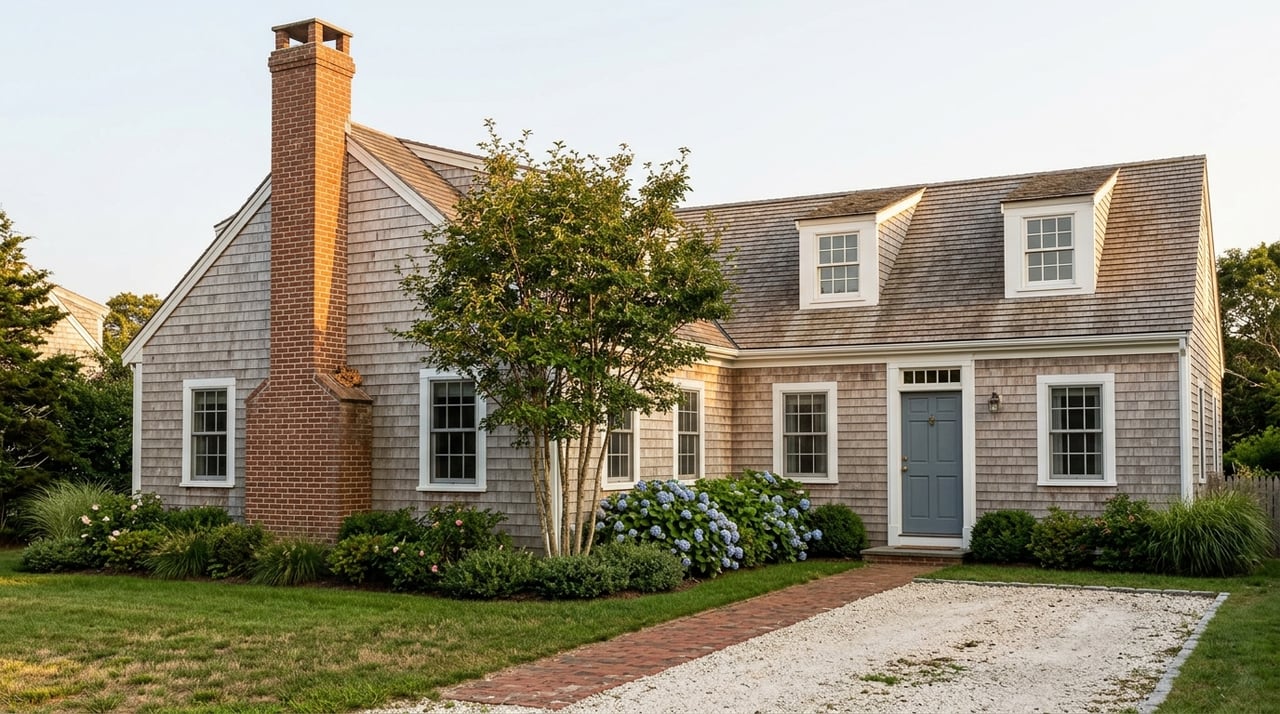
Dreaming about a classic Cape Cod cottage usually starts with a feeling. You picture cedar shingles, a simple roofline, salty air, and a house that feels tied to the landscape rather than dropped onto it. If you are hoping to find that kind of home on the Lower Cape, it helps to know where to look, what “classic” really means, and how local market conditions shape your options. Let’s dive in.
What Counts as a Classic Cape Cottage
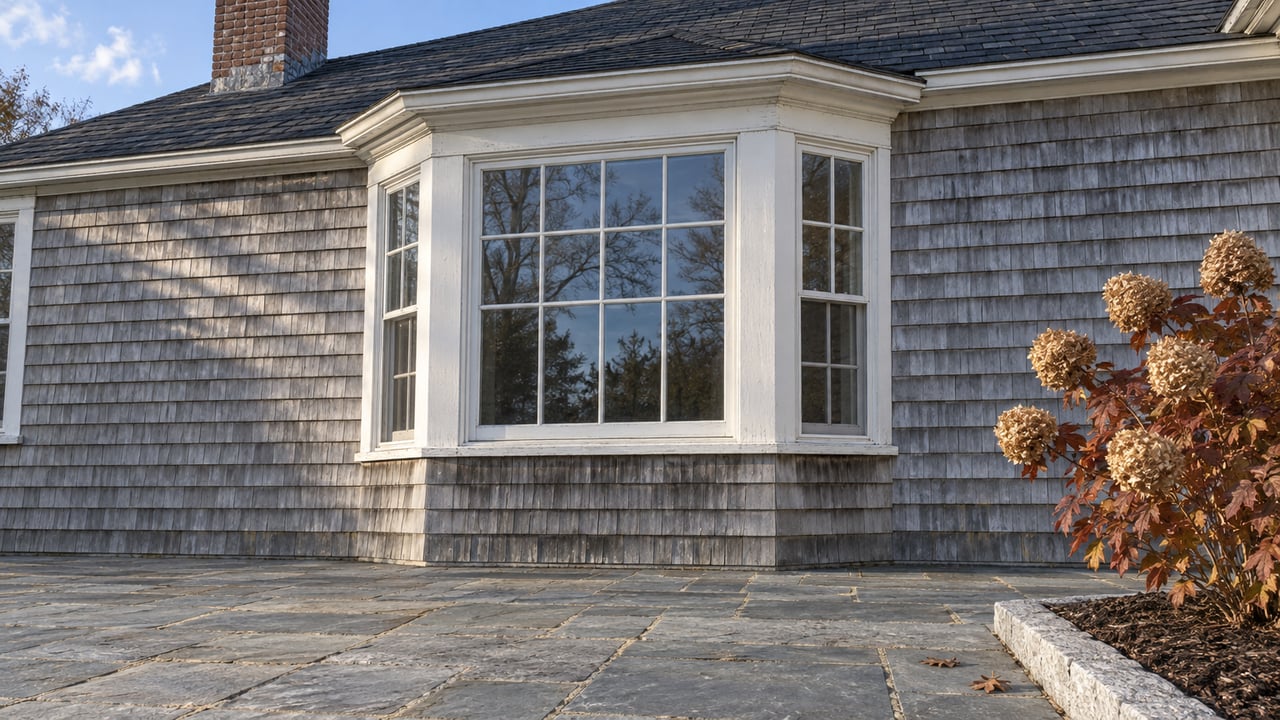
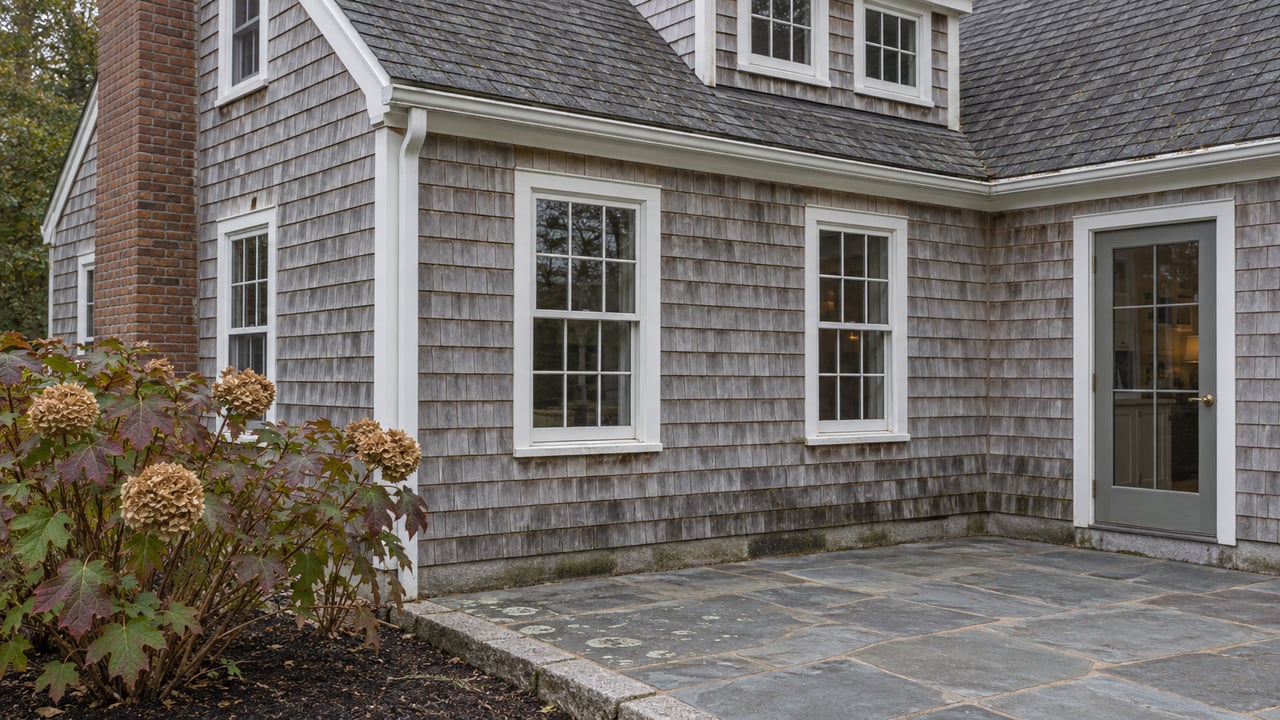
A classic Cape cottage is usually compact and simple by design. Across historic descriptions of Cape houses, the common features include a one- to one-and-a-half-story form, a side-gabled roof, a rectangular layout, a centered front entry, and dormers that bring light and space to the upper level.
You will also often see wood-frame construction, cedar shingles or clapboard, and a modest scale. The appeal is not just the look. It is the way these homes feel practical, coastal, and grounded in local building traditions.
That said, not every house with Cape-style charm is the same thing. On the Lower Cape, you may be choosing between truly older homes, early seasonal cottages, and later Cape Cod revival homes that borrow the same vocabulary. Knowing the difference can help you compare value, condition, and future work more clearly.
Why the Lower Cape Search Is Different
The Lower Cape is not a single, uniform market. Depending on how the area is defined, it includes Chatham, Harwich, Brewster, Orleans, and often Eastham, Wellfleet, Truro, and Provincetown as part of the broader Lower and Outer Cape subregion.
That matters because your cottage search will look very different from town to town. A harbor-side lane in Chatham offers one experience, while a beach-road pocket in Brewster or a more open setting in Eastham offers another. The same basic house style can live in very different surroundings.
It also matters because this is a strongly seasonal and second-home market. The Cape Cod Commission reports that more than half of housing units in the Lower and Outer Cape are seasonal, and affordability gaps are significant across the region. In practical terms, that means competition, pricing, and availability can all behave differently than buyers expect.
Best Places to Look First
Chatham Cottage Areas
If your idea of a classic Cape cottage includes narrow streets, harbor views, and long-standing village fabric, Chatham deserves close attention. The Old Village is especially notable because it is the town’s earliest neighborhood and has one of Chatham’s strongest concentrations of residential buildings from the 18th through 20th centuries.
This part of town is shaped by its relationship to the harbor and Mill Pond, along with the broader influence of Atlantic and Nantucket Sound frontage. For buyers, that means setting matters as much as square footage. A smaller home in a deeply established location can carry lasting appeal.
Chatham’s historic survey work also notes that much of the town’s seasonal-destination housing stock includes small-scale cottages and Capes, especially in West and South Chatham. If you want charm with a bit more variety in lot type or proximity to different shorelines, those areas may also be worth watching.
Harwich and Harwich Port
Harwich often feels more like a collection of village and beach settings than one central market. That can be a plus if you want flexibility in the kind of cottage experience you are after.
Harwich Port is known for its village-and-shore appeal, while Harwich Center offers a quieter village feel. If your goal is to find a modest home with character near a walkable village setting or coastal access, Harwich can offer a useful middle ground within the Lower Cape search.
Brewster Cottage Neighborhoods
Brewster stands out for buyers specifically chasing cottage neighborhoods. Historic resources cluster along Route 6A and Main Street, Lower Road, and Stony Brook Road, and the town’s local planning documents specifically identify summer cottage communities such as Brewster Park, Pineland Park, and Ellis Landing Colony.
Brewster also offers a broad mix of settings. With 11 Cape Cod Bay beaches plus freshwater beaches and landings, you may find homes near village corridors, tucked into modest beach neighborhoods, or set slightly inland with a quieter feel.
For many buyers, Brewster hits a sweet spot. It can offer classic Lower Cape texture without always reaching the same pricing tier as Chatham.
Orleans Village Setting
Orleans functions as a year-round commercial hub, but it also has a village center with a distinctly Lower Cape feel. Set between Nauset Beach and Skaket Beach, it appeals to buyers who want access to daily conveniences along with nearby shoreline.
For cottage buyers, Orleans can be a strong fit if you want a home that supports both seasonal use and more regular year-round living. The search here is often less about one famous historic pocket and more about balancing village proximity, beach access, and condition.
Eastham and Beyond
As you move farther east, the pattern becomes more open and beach-oriented. Eastham describes itself through its ocean and bay beaches and open space, and it is actively planning around a more walkable North Eastham Village Center.
Wellfleet places year-round civic life around its Central Village and maintains zoning aimed at preserving the historic scale and spacing of that center. If your version of a cottage search leans more beachy, less formal, and a little more spread out, these towns can be compelling options.
How to Spot Real Potential
When buyers search for cottages, it is easy to focus too much on square footage. On the Lower Cape, that can be misleading.
Recent sales examples show why. In Chatham, a 399-square-foot unit sold for $552,500, while a 1,152-square-foot three-bedroom home sold for $775,000. In Brewster, a 1,040-square-foot two-bedroom home sold for $605,000. Those examples suggest that location, setting, water access, and update level often shape value more than size alone.
A better search lens is to look at a few factors together:
- Village proximity
- Access to harbor, bay, or ocean beaches
- Lot character and privacy
- Original charm versus renovated condition
- Whether the home feels truly rooted in its setting
That is especially important in a region where cottage forms repeat across towns, but lifestyle and pricing can shift quickly from one area to the next.
What Pricing Really Looks Like
The Lower Cape has meaningful price variation, even within neighboring towns. In May 2026, Barnstable County’s median sale price was $722,832. In the same period, Harwich posted a median of $689,587, Brewster was $678,094, and Chatham reached $1,416,652.
Those numbers do not mean every classic cottage fits neatly into those medians. Smaller cottages often trade below a town’s median unless they have a premium location or a major renovation story behind them.
For you as a buyer, the takeaway is simple. A “charming cottage” can mean very different budgets depending on whether you are prioritizing Chatham prestige, Brewster cottage neighborhoods, Harwich village access, or a more beach-driven eastern-town setting.
Don’t Overlook Review Rules
Part of the charm of the Lower Cape is that many places still feel visually consistent and rooted in tradition. In some areas, that is supported by local review standards.
For example, Brewster’s Old King’s Highway review process considers design, proportion, materials, setting, site design, layout, and relative size when exterior changes are proposed. In Chatham’s Old Village, the long-standing density and traditional village fabric are part of what make the area feel so distinctive.
This does not mean a cottage is not worth improving. It means you should understand how location may shape your renovation plans, exterior updates, or expansion ideas before you fall in love with a property.
A Smart Lower Cape Cottage Strategy
If you want to find the right classic cottage, begin with lifestyle before floor plan. Ask yourself where you want your Cape routine to happen.
Do you picture harbor walks and a dense village street pattern? Chatham may be your match. Do you want a classic summer colony feeling or bay-side access? Brewster might rise to the top. Do you want a village-and-beach blend with a little pricing flexibility? Harwich or Orleans could make sense.
Then narrow your search with practical filters:
- Preferred town or village setting
- Distance to beaches, harbor areas, or town centers
- Condition level, from original to fully updated
- Lot size and outdoor use
- Whether you want a seasonal retreat, year-round home, or investment opportunity
On the Lower Cape, the best cottage search is usually not about finding the biggest house for the money. It is about finding the home that delivers the right setting, scale, and rhythm for how you want to live on the Cape.
If you are ready to sort through the options with a local perspective, Cindy Harrington can help you compare towns, identify true cottage opportunities, and find a property that fits both your lifestyle and your goals.
FAQs
What defines a classic Cape Cod cottage on the Lower Cape?
- A classic Cape cottage is typically a compact, simple home with a side-gabled roof, rectangular shape, centered entry, dormers, and wood shingle or clapboard exterior materials.
Where should you look for classic cottages on the Lower Cape?
- Good places to start include Chatham’s Old Village and nearby cottage areas, village and beach pockets in Harwich, named cottage communities in Brewster, village-centered areas in Orleans, and more beach-oriented settings in Eastham and Wellfleet.
Are classic Cape cottages on the Lower Cape always expensive?
- Not always, but prices vary widely by town, setting, and condition, with Chatham generally commanding a much higher median sale price than towns like Harwich or Brewster.
Why does location matter more than size for Lower Cape cottages?
- Smaller cottages can still command strong prices when they are close to village centers, beaches, harbors, or historic neighborhoods, so value often depends more on setting and condition than square footage.
Should you check local review rules before buying a Lower Cape cottage?
- Yes, because some areas, including parts of Brewster and historic parts of Chatham, may have local review standards that affect exterior changes, materials, and overall design decisions.