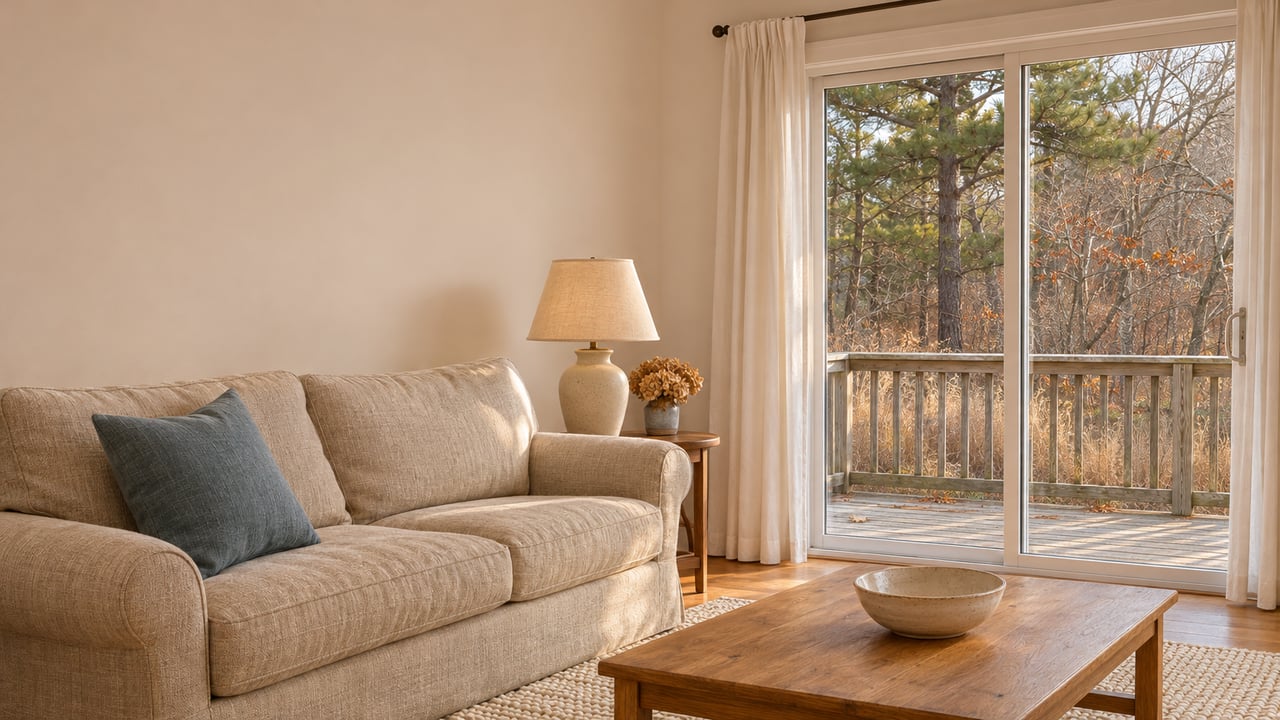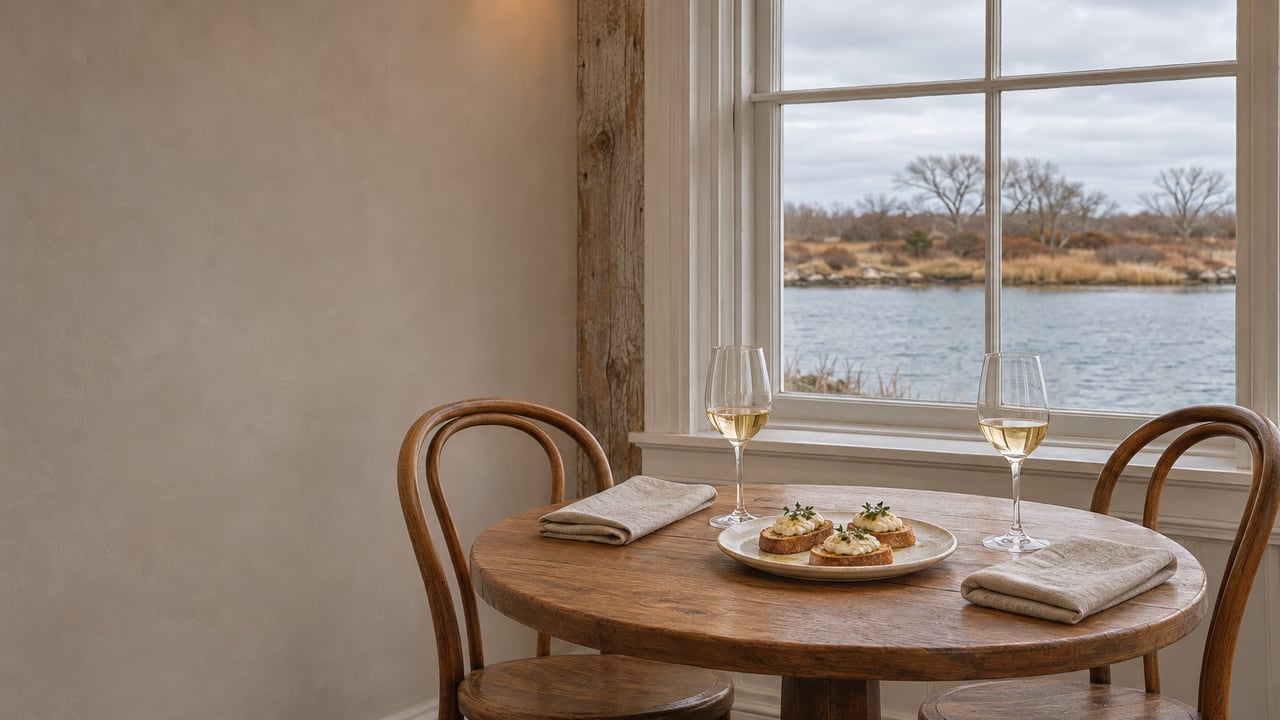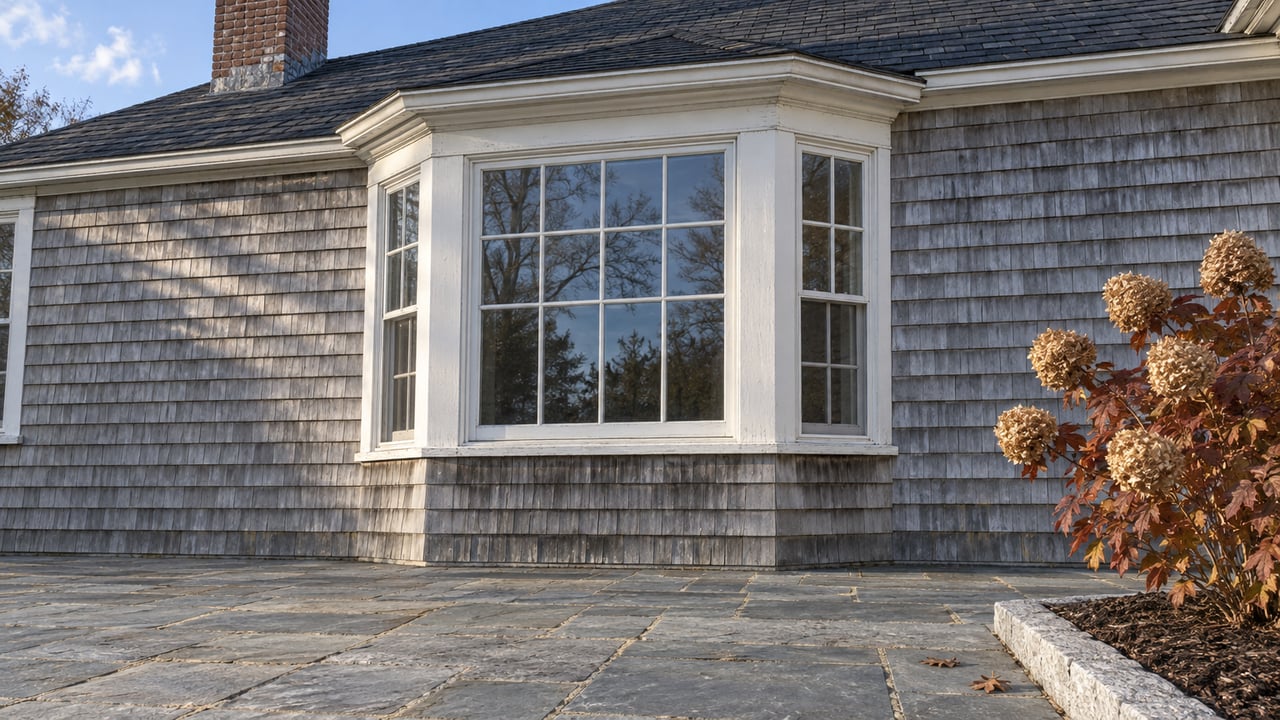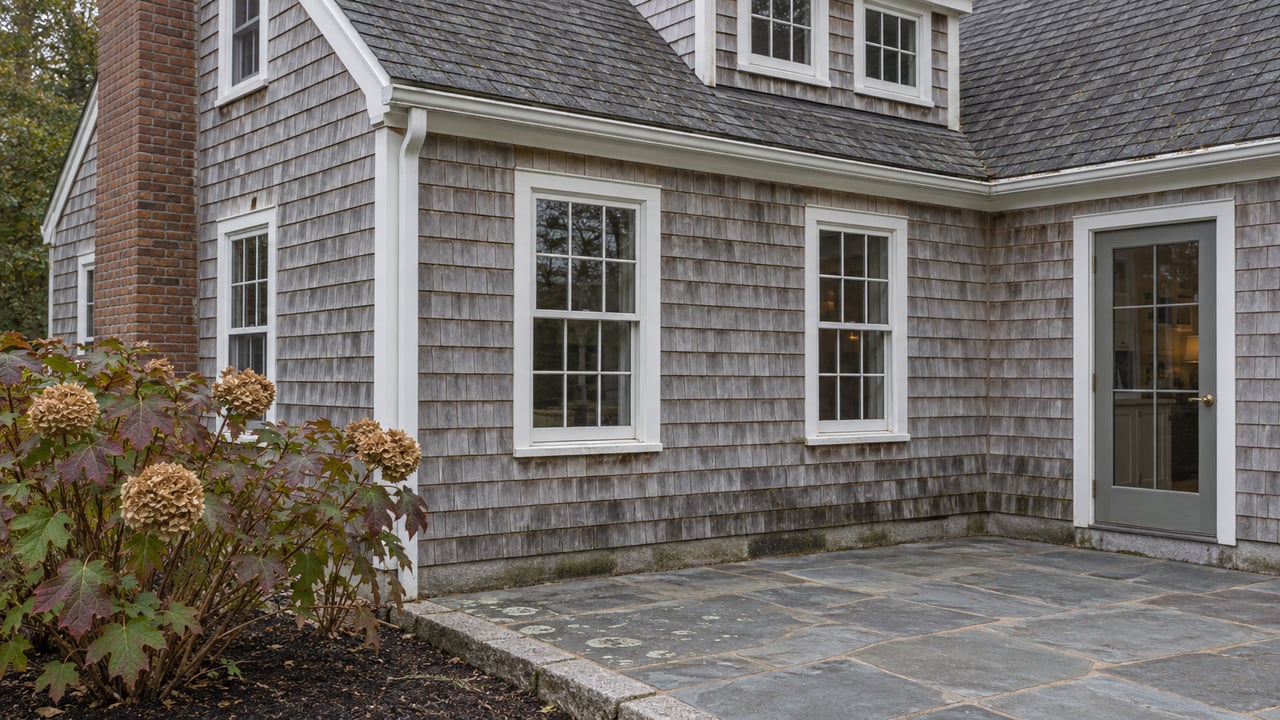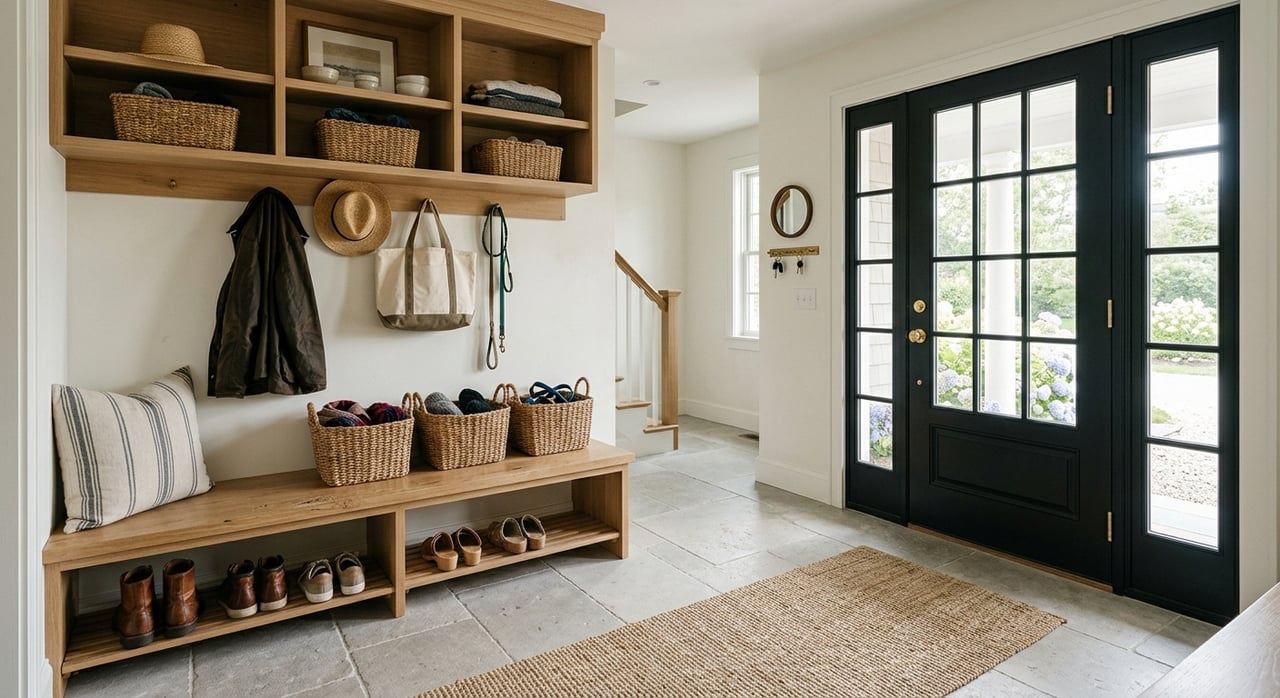
Wondering whether you can still find a true year-round home on Cape Cod? You can, but it takes a clear plan, realistic expectations, and a strong understanding of how this market works. If you want a home that fits daily life in every season, not just a postcard-perfect summer weekend, this guide will help you focus on what matters most. Let’s dive in.
What year-round living means on Cape Cod
A year-round home on Cape Cod is about more than curb appeal or beach proximity. It needs to support your routine in January as well as July, with the right layout, location, and condition for everyday living.
In Barnstable County, homeownership is already common and expensive. U.S. Census QuickFacts reports an owner-occupied housing unit rate of 81.1% and a median owner-occupied home value of $629,000 for 2020 through 2024. In the Town of Barnstable, the owner-occupied rate is 75.7%, with a median owner-occupied home value of $602,500.
Barnstable is also the most populous community on Cape Cod and includes seven villages: Hyannis, Centerville, Osterville, Cotuit, Marstons Mills, West Barnstable, and Barnstable Village. If you are searching in or around Barnstable and the Lower Cape, it helps to think village by village, not just town by town.
Why year-round inventory feels limited
One reason year-round buyers feel pressure is the shape of the local housing stock. Barnstable’s 2025 Housing Production Plan says 84.8% of housing units are single-family homes. Duplexes make up 2.3%, multi-unit properties make up 12.8%, and 2.4% fall into other forms such as mixed-use or cottage colony housing.
That matters because detached homes remain the default option for many buyers. If you hoped to find a wide selection of smaller or attached housing, the numbers suggest your choices may be narrower.
The same housing plan shows how constrained year-round supply really is. Barnstable had 21,915 year-round housing units in the 2020 Census baseline, while 5,840 vacant units were classified as seasonal or recreational. Those seasonal or recreational units represented 85% of all vacant units, and the plan states that vacation homes and short-term rentals limit year-round housing options.
Vacancy rates also remain tight. The town reported a 2.2% ownership vacancy rate and a 1.7% rental vacancy rate, which helps explain why buyers often feel they need to move quickly when the right property appears.
What the market says right now
Cape Cod remains a low-inventory market even with some improvement from the sharpest pandemic years. CCIAOR’s 2025 county report shows a Barnstable County median sales price of $739,000, an average sales price of $1,025,328, and just 2.0 months of supply. Homes averaged 51 days on market, and sellers received 95.2% of original list price.
That is not the same as saying every home sells instantly. It does mean you are still shopping in a market where good year-round homes can draw strong attention, especially in popular price bands.
Seasonality also plays a big role. In January 2026, Barnstable County had 383 single-family homes and 154 condominiums for sale. By April 2026, active inventory rose to 993 single-family homes and 325 condominiums.
For you as a buyer, that means spring may offer more choice than winter. Still, more listings do not always mean less competition, so the better approach is to watch the market consistently instead of waiting for one perfect month.
Why price band matters so much
Cape Cod is not one market, and the Lower Cape is not one market either. In the first quarter of 2026, CCIAOR reported that listings priced below $1,000,000 had a median 34.4 days on market, while listings at $1,000,000 and above averaged 77 days.
That difference can change your strategy. If you are searching below the $1 million mark, you may need to be especially prepared because demand can be stronger in that range.
Town pricing also varies widely. In the 2025 annual report, median sales prices included Brewster at $701,000, Harwich at $777,000, Eastham at $800,000, Orleans at $955,500, Provincetown at $1,152,500, and Chatham at $1,500,000.
These numbers are a reminder that your definition of a realistic budget may shift depending on where you want to live. A year-round home in one town may look very different from what that same budget buys in another.
How to build a smart home search
A strong search starts before you book showings. On Cape Cod, where supply remains limited, clarity gives you an edge.
Start by separating your needs into three categories:
- Must-haves
- Nice-to-haves
- Can-live-without-it features
This is especially important in Barnstable because housing stock tends to cluster around larger single-family homes. The town plan says 46.9% of units are three-bedroom homes, and 21.2% are four-bedroom homes or larger. Only 32% of units are studio, one-bedroom, or two-bedroom homes combined.
So if you need a home office, a first-floor bedroom, extra storage, or space for multigenerational living, define that early. If you are hoping to downsize into a smaller year-round property, know that fewer options may be available.
Be ready to act when it fits
Prepared buyers tend to fare better in a tight market. That does not mean rushing into the wrong home. It means having your financing, search area, and decision criteria lined up before the right listing arrives.
CCIAOR reports that cash buyers made up 32.9% of January 2026 transactions, 30.7% in February, and 41.6% in April. Even in a market that feels more balanced than a few years ago, financing readiness still matters.
A practical strategy often looks like this:
- Set your top towns or villages.
- Set a firm price ceiling.
- Decide which features are non-negotiable.
- Watch listings continuously.
- Be willing to adjust geography if inventory stays too tight.
That last point is often the key. If your first-choice area is not producing the right fit, expanding to nearby villages or towns can open better options without giving up the Cape lifestyle you want.
Think beyond summer appeal
Some homes shine in August but feel very different in February. If you are buying for year-round living, look past the seasonal charm and focus on how the property functions in all weather.
Barnstable’s housing stock is somewhat newer than the statewide average, with 27% built before 1960 compared with 49% statewide. Even so, that still leaves a meaningful share of older homes where systems and maintenance history deserve close attention.
As you evaluate properties, pay particular attention to:
- Heating system age and type
- Insulation and window condition
- Parking and winter access
- Storage for year-round living
- Layout for work, guests, or daily routines
The best year-round purchase is not simply the prettiest one in a sunny showing. It is the one that supports your life comfortably and predictably through every season.
Commute and access shape daily life
If you travel off Cape often, location is about much more than distance on a map. The Cape Cod Commission notes that the Bourne and Sagamore bridges are the only vehicular road links to and from Cape Cod, which makes bridge access a practical part of many buyers’ searches.
Route 6 is the main Mid-Cape Highway corridor, while Route 6A serves as a major scenic and daily travel route in many areas. Those road choices can affect commute patterns, errands, and how connected you feel to both on-Cape and off-Cape destinations.
For some buyers, public transit can help fill gaps. The Cape Cod Regional Transit Authority serves all 15 Cape towns and includes routes connecting Barnstable and Lower Cape communities. Seasonal CapeFLYER rail service also connects Boston and Hyannis on weekends from Memorial Day weekend through Labor Day.
Still, for most year-round buyers, driving remains central to daily life. If your schedule includes regular mainland travel, that should be part of your search from day one.
A local approach makes a difference
Finding a year-round home on Cape Cod is part market analysis and part lifestyle matching. You are not just choosing a house. You are choosing how you want to live through all four seasons, how much flexibility you need, and which town or village best supports your routine.
That is why local guidance matters. A thoughtful search should look at price, inventory, housing type, commute patterns, and year-round practicality together, not as separate decisions.
Whether you are looking in Barnstable, Brewster, Harwich, Orleans, Chatham, or another Cape town, the goal is the same: find a home that feels right in everyday life, not just on closing day. If you are ready to start your search, Cindy Harrington can help you navigate the Cape with local insight and a relationship-first approach.
FAQs
What does a year-round home on Cape Cod usually look like?
- In Barnstable, most housing is single-family, with 84.8% of units classified that way, so many year-round buyers focus on detached homes rather than smaller attached options.
Why is it hard to find year-round housing in Barnstable?
- Barnstable reports tight vacancy rates and a large number of homes used seasonally or recreationally, which limits the number of homes available for full-time living.
When is the best time to search for a year-round Cape Cod home?
- Spring often brings more listings than winter, but inventory remains constrained overall, so it usually makes sense to monitor the market continuously rather than wait for one ideal month.
How much do year-round homes cost on Cape Cod?
- Prices vary widely by town, with 2025 median sales prices ranging from $701,000 in Brewster to $1,500,000 in Chatham among selected Cape towns in the research.
What should buyers check in a Cape Cod home for year-round living?
- Focus on practical details such as heating, insulation, windows, storage, parking, and how the home functions in winter, not just how it looks during the summer season.
How important is commuting when buying a year-round home on Cape Cod?
- It can be very important because the Bourne and Sagamore bridges are the only vehicular road connections off Cape, so commute patterns and bridge access often shape where buyers choose to live.